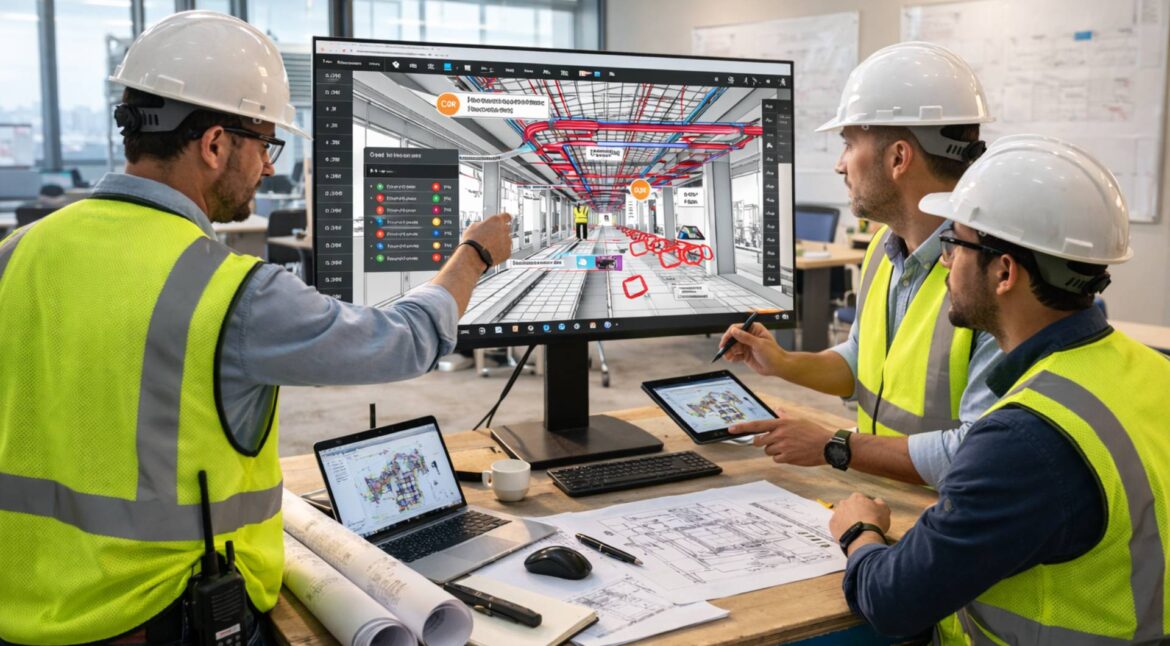
Requests for Information (RFIs) and change orders are two of the most costly and time-consuming problems a general contractor faces on any job site. In the United States, large commercial construction projects generate hundreds or sometimes even thousands of RFIs. According to studies by the Construction Industry Institute, rework alone…
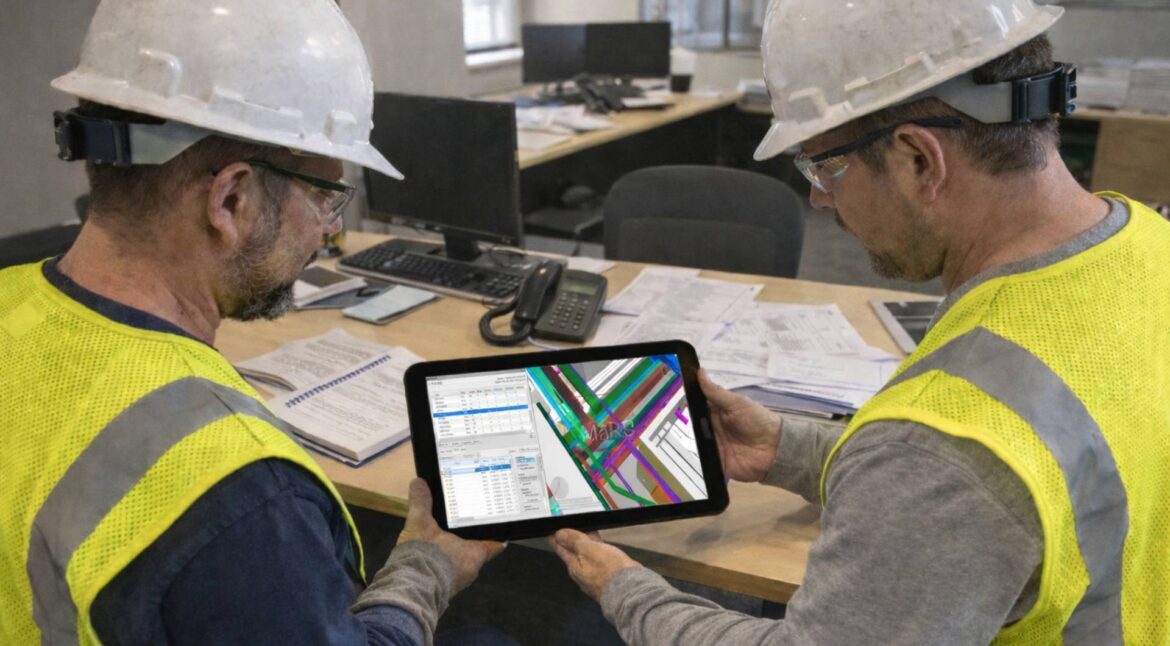
The US construction industry loses an estimated $177 billion annually to rework and inefficiency, with trade contractors absorbing a disproportionate share of that loss. Mechanical, electrical, and plumbing crews are most vulnerable: they install last, they have the least spatial flexibility, and when something doesn’t fit, they pay for the…
Electrical work is one of the most coordination-intensive trades on any commercial or industrial construction project. Conduit runs, cable trays, switchgear, lighting, fire alarm systems, and low-voltage infrastructure all compete for ceiling and wall space alongside mechanical ducts, plumbing pipes, structural beams, and sprinkler lines. Getting that coordination wrong —…
The Procurement Challenge for Trade Contractors Mechanical, electrical, plumbing, and other trade contractors in the U.S. construction market have long relied on experience and spreadsheets to manage material procurement. That approach worked when project complexity was manageable. Today, with tighter schedules, labor shortages, and supply chain volatility, it frequently falls…
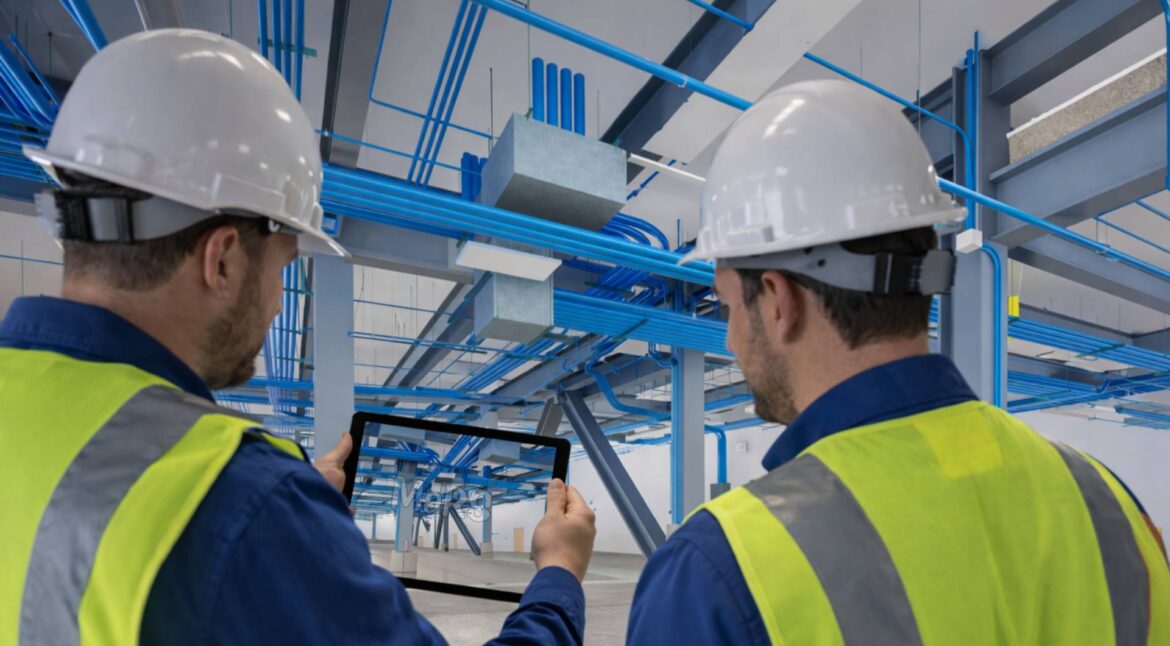
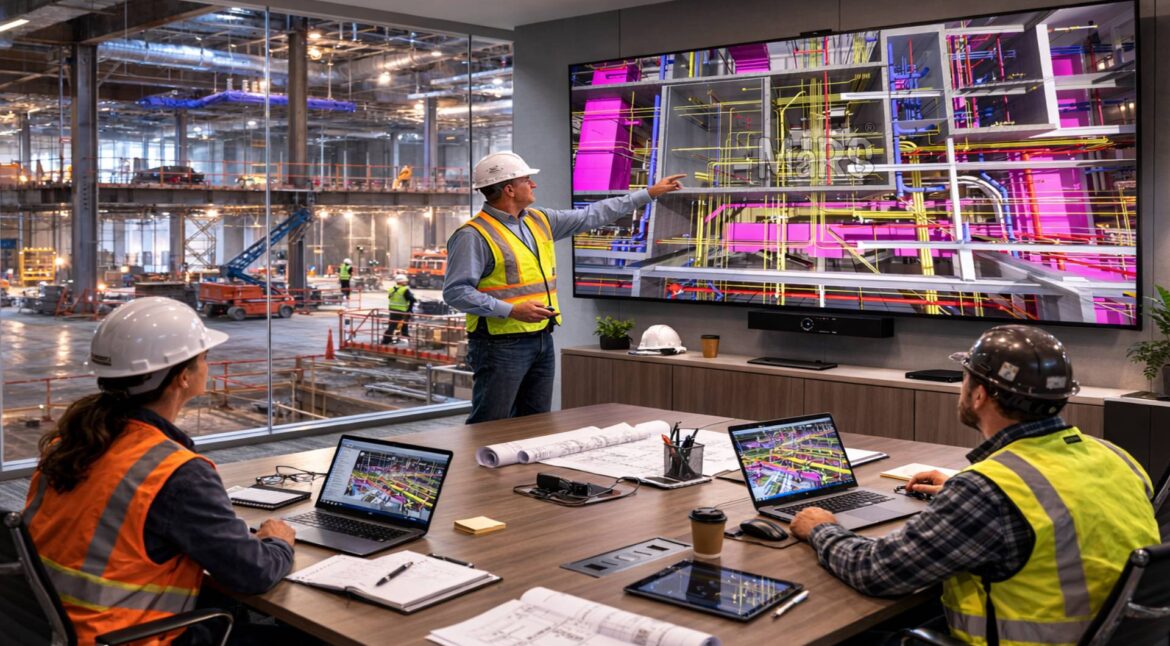
The modern construction environment in the United States is more complex than ever. General Contractors manage multiple trade partners, tight schedules, strict building codes, and increasing client expectations. Mechanical, electrical, plumbing, fire protection, structural steel, facade, and interior trades must all work within the same physical space. Without structured coordination,…
BIM cost depends on many factors. Project complexity and Level of Development (LOD) are the two strongest factors. Good planning needs a clear view of both. This helps teams set budgets and choose the right workflow. What LOD Means for Cost? Level of Detail/Development (LOD) shows how much detail a…
Support of Excavation refers to engineered systems that provide lateral stability during trenching or deep excavation operations. Common structural methods include soldier piles and lagging, sheet piling, secant or slurry walls, and underpinning. These systems are designed based on geotechnical parameters such as soil classification, groundwater table elevation, lateral earth…
Construction document sets form the backbone of project delivery in architecture, engineering, and construction. These documents are not only a reflection of design intent but also function as the legal and technical basis for execution. Whether in public infrastructure or private real estate, a well-prepared document set facilitates seamless collaboration…
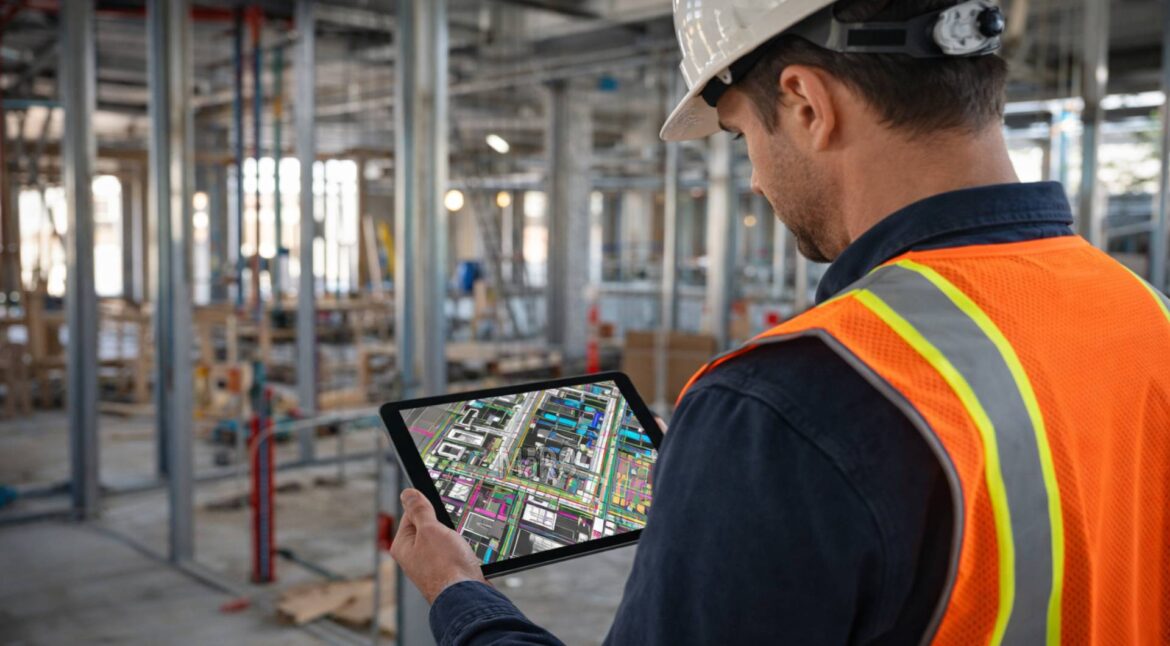
Construction projects today involve multi-layered systems, tight MEP corridors, prefabricated components, and complex structural cores, all coordinated within compressed timelines. In this environment, misalignment between design and execution can lead to major cost and time overruns. As global infrastructure becomes more regulated and risk-sensitive, AEC firms must shift toward data-centric…