Facility Management has become a critical extension of the AEC value chain, responsible for keeping systems running and protecting the capital investment of complex building assets. In large-scale developments like hospitals, airports, and tech parks, facility managers face pressure to deliver high uptime, reduce energy waste, and manage thousands of…
Construction projects continue to grow in scale and complexity, requiring precise coordination between trades, tighter schedules, and greater accountability from all stakeholders. Successful delivery depends on how well teams can plan, visualize, and adapt their execution strategies in real time. As digital construction practices evolve, scheduling has become more than…
The technical scope of today’s AEC projects continues to expand, with buildings incorporating complex systems, phased execution, and cross-discipline detailing. Whether it’s integrating mechanical zones within tight ceiling spaces or aligning structural grids with modular facades, every decision influences multiple teams downstream. Project success depends on how well architectural, structural,…
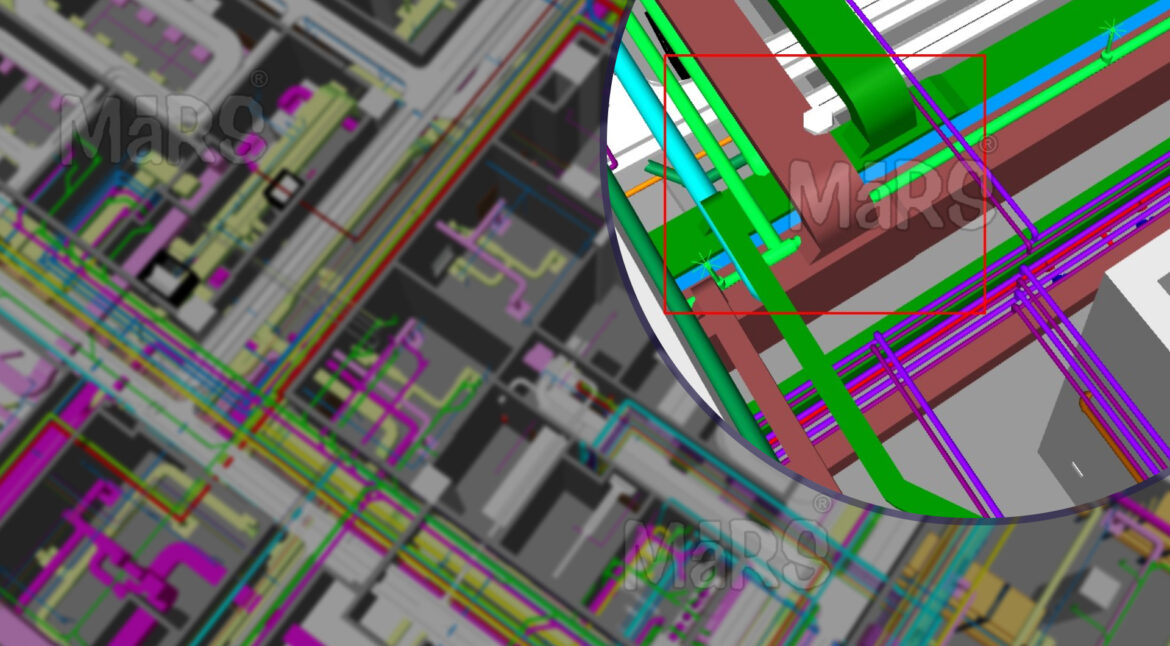
Construction sites often become coordination battlefields when building systems designed in isolation collide during installation. In dense utility zones, such as mechanical floors, riser shafts, and service corridors. Field teams frequently encounter misaligned penetrations, missing clearances, or last-minute re-routing because actual site conditions were not captured during design. These disruptions…
Mechanical and electrical systems now occupy more space and demand greater coordination than ever before in high-density AEC projects. From large-diameter ductwork sharing plenum space with bundled cable trays to electrical switchgear installed alongside mechanical risers, these systems are no longer isolated scopes; they’re overlapping and interdependent. Mechanical Modeling and…
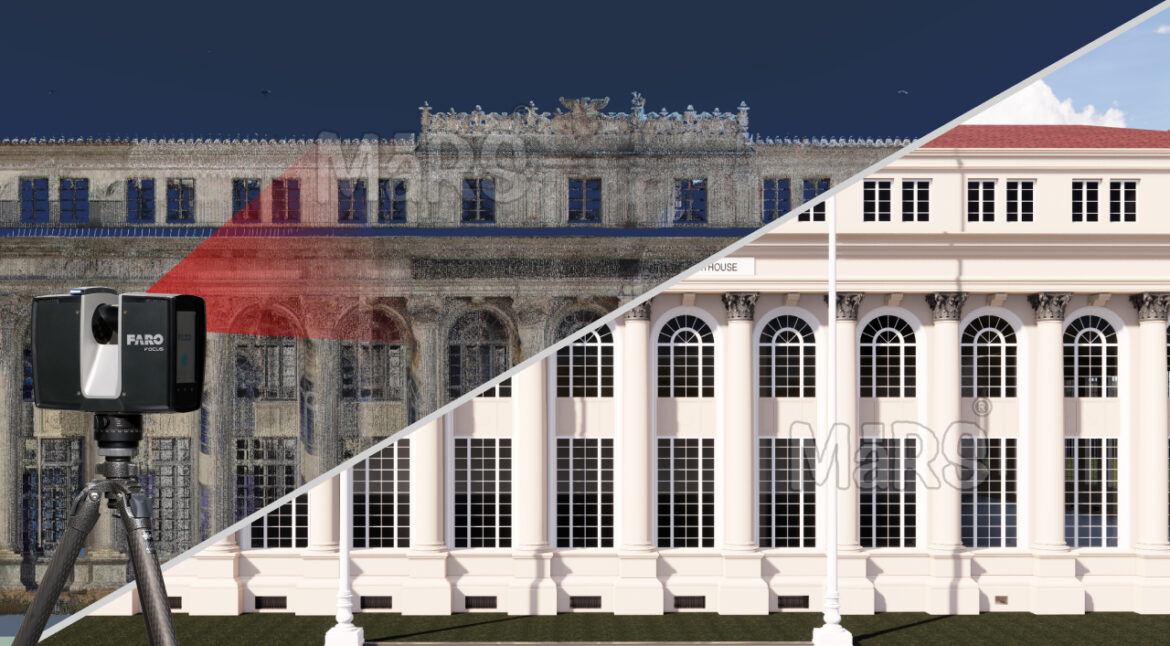
Creating a firm foundation for your AEC requirements, scan-to-BIM Modeling stands out. At the intersection of traditional construction methods and evolving digitized solutions, the importance of accurate scanning and intelligent modeling cannot be overstated. This technique integrates 3D laser scanning technology with advanced building information modeling software, commonly known as…
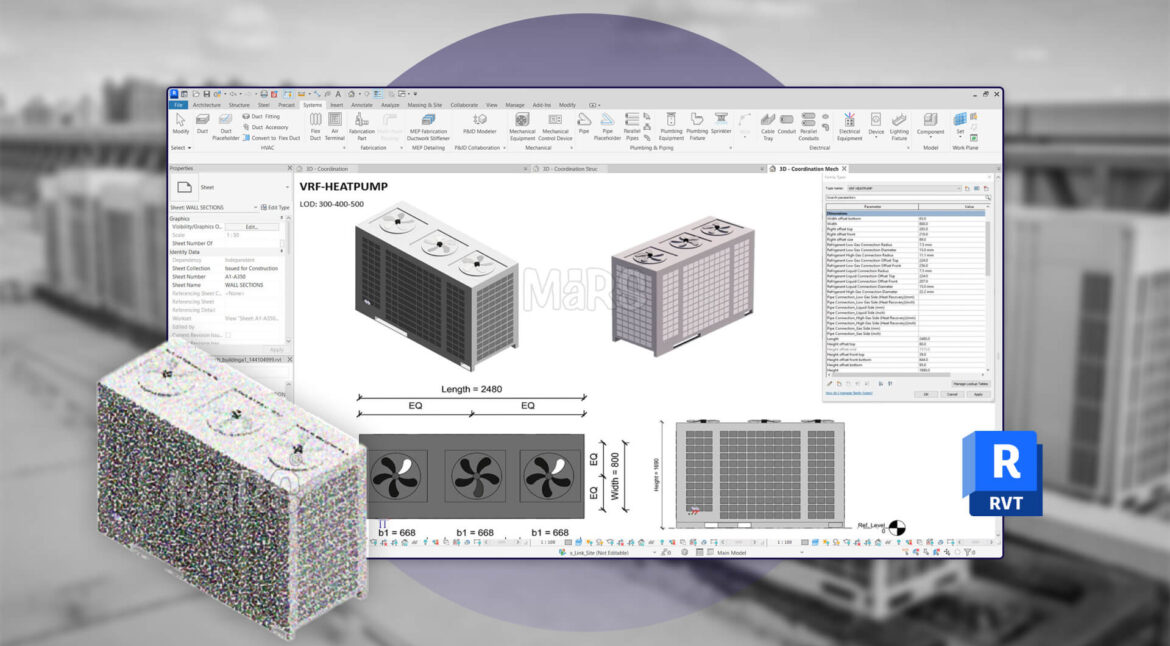
Creating accurate BIM models requires detailed and precise components. When working with existing buildings or complex objects, standard Revit families may not be enough. This is where Scan to Revit Family Creation plays an important role. It helps convert real-world objects into intelligent, parametric Revit families using scanned data. With…
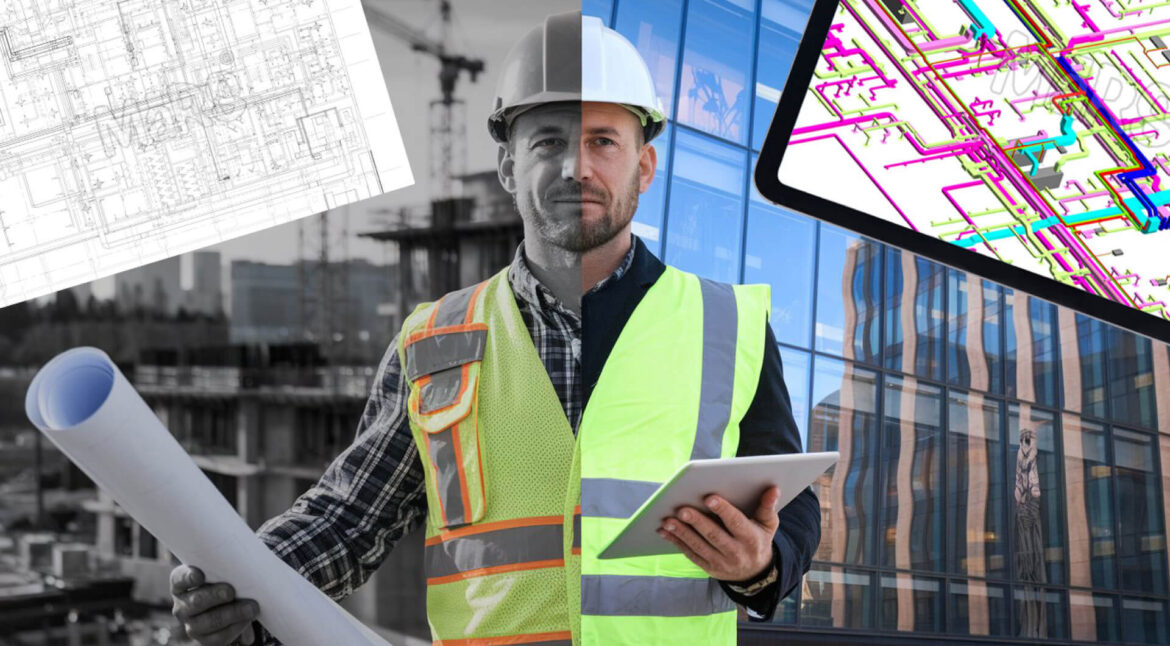
For years, architects and engineers struggled with flat, two-dimensional drawings that couldn’t capture the full complexity of building systems. These blueprints were effective in their time but often left room for miscommunication, errors, and delays. With growing project demands and increasing complexities, it’s clear that these static plans are struggling…
Building information modeling has transformed the construction industry, enabling teams to design, plan, and execute projects with unmatched precision. As the complexity of construction projects increases, manual processes can often lead to errors, inefficiencies, and inconsistencies in the model. This is where BIM automation is beneficial. Project teams can focus on important…