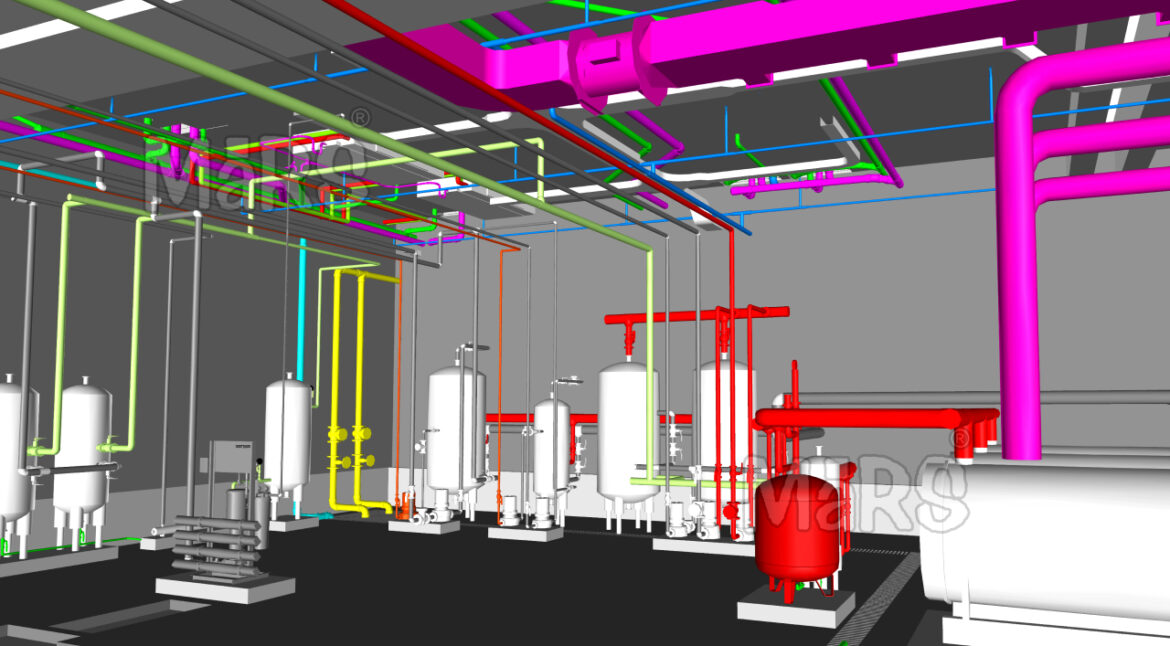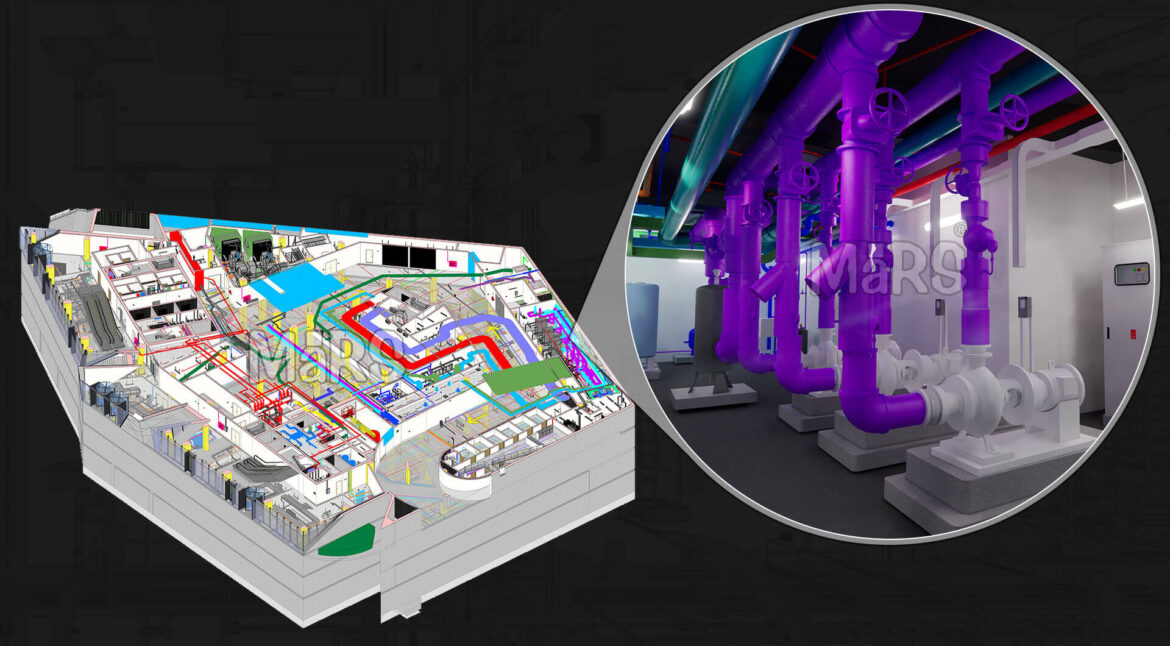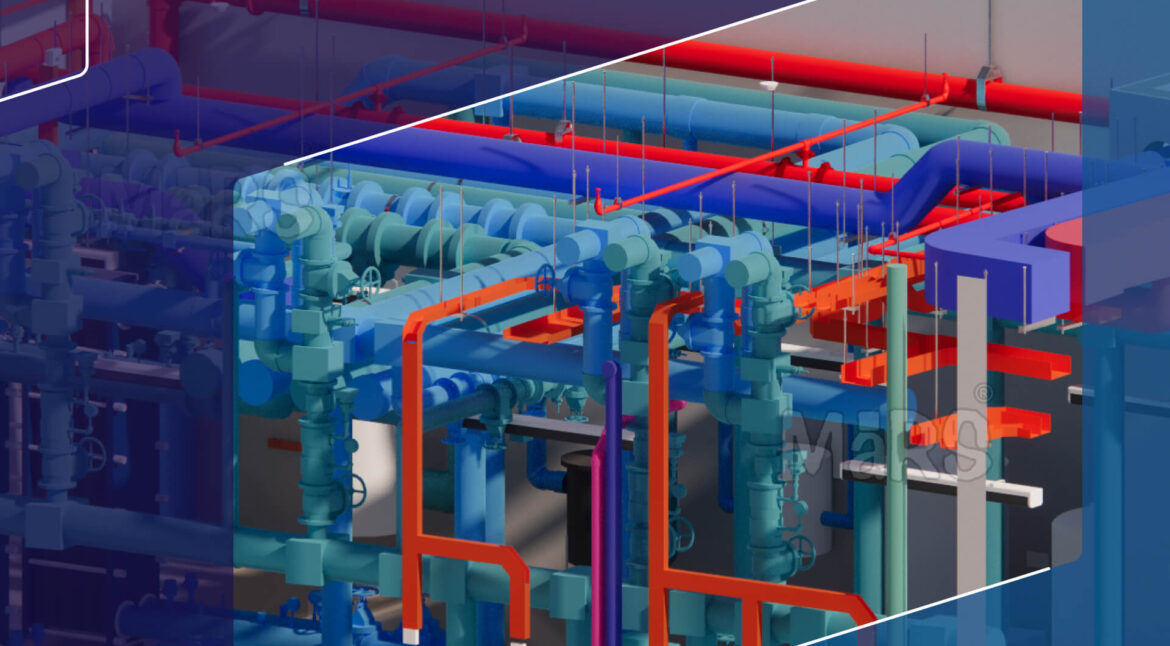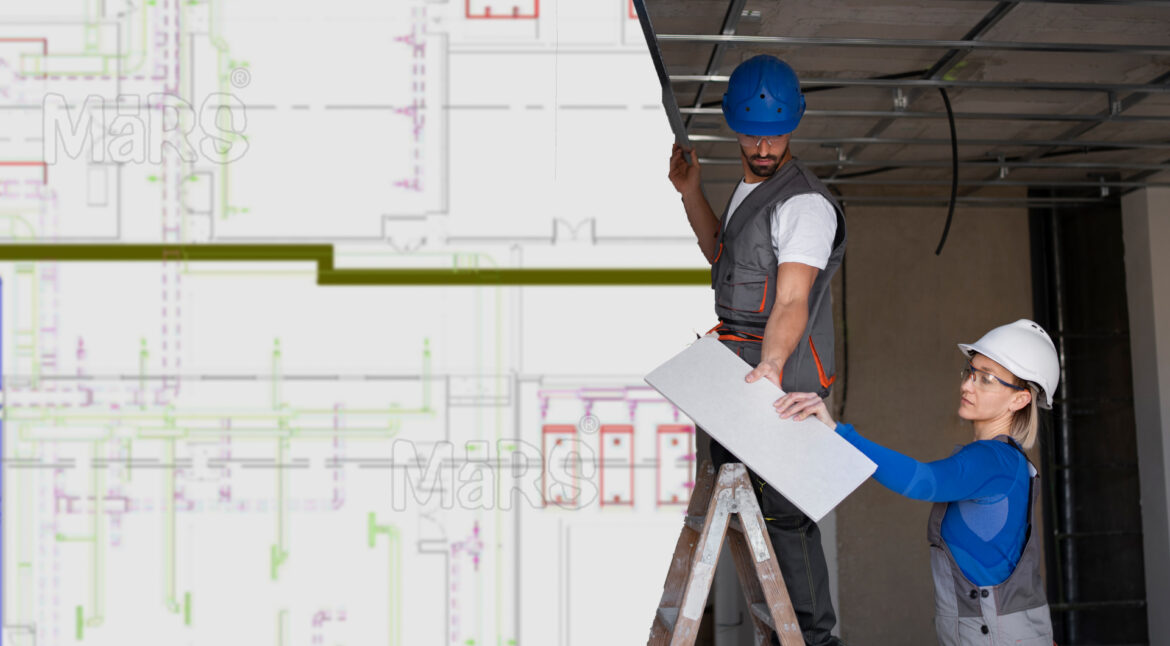
Tight service corridors, congested ceiling zones, and overlapping utility systems have made MEP coordination one of the most critical and complex tasks on any construction site. Mechanical, Electrical, Plumbing, and Fire Protection systems often compete for limited space within structural and architectural constraints. In high-value projects like hospitals, data centers,…
HVAC duct systems are tightly integrated within MEP networks, routed through congested ceiling voids, vertical shafts, and mechanical zones. Every linear foot of duct must navigate structural beams, fire-rated walls, and a web of parallel trades, each with their own spatial and code-driven constraints. Duct routing decisions directly impact airflow…
MEP systems are the most coordination-intensive components on any construction site. Mechanical ductwork, electrical conduits, plumbing lines, and fire protection systems must fit into tight structural zones without obstructing each other—or violating code-mandated clearances. Any misalignment or undocumented deviation can cause downstream clashes that disrupt sequencing, delay inspections, or halt…
High-density building typologies and accelerated delivery schedules have intensified the spatial and temporal pressures on MEP integration. As vertical construction increases and systems grow more interdependent; HVAC with BMS, electrical with life safety, and plumbing with vertical circulation. The coordination tolerance between trades has narrowed to millimeter precision. In this…
Mechanical and electrical systems now occupy more space and demand greater coordination than ever before in high-density AEC projects. From large-diameter ductwork sharing plenum space with bundled cable trays to electrical switchgear installed alongside mechanical risers, these systems are no longer isolated scopes; they’re overlapping and interdependent. Mechanical Modeling and…
In large-scale projects like airports, hospitals, and high-density residential towers, MEP subcontractors are facing pressure unlike ever before. Precision is non-negotiable. A misaligned duct run or an off-center riser can disrupt concrete pours, delay other trades, and result in costly rework. What used to be minor drawing coordination issues are…
MEP coordination represents one of the most complex scopes in a building project, for general contractors managing subcontractor workflows across HVAC, electrical, plumbing, and fire protection systems. Tight ceiling voids, shaft congestion, and interdependencies between structural and MEP components often lead to constructability issues if not resolved early. Manual coordination…
These days, MEP 3D modeling services are necessary for project success in the construction industry. The systems that are essential to any building are mechanical, electrical, plumbing, or MEP systems. Efficient design, coordination, and execution of these systems require advanced modeling techniques due to their complexity. What is MEP 3D…
MEP coordination is essential to the seamless integration of plumbing, electrical, and mechanical systems into structural and architectural designs on modern construction projects. Effective MEP BIM coordination improves overall project efficiency and reduces the risk of expensive on-site issues. This blog post will cover the value of MEP BIM coordination…