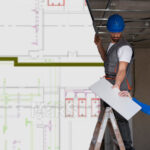
Tight structural zones, congested MEP corridors, and increased reliance on prefabrication have made coordination-intensive communication a critical requirement on modern construction sites. Architects must convey design intent to a wide range of stakeholders, including owners, contractors, engineers, and facility managers. Who often interpret plans through different lenses. Miscommunication at any phase can trigger cascading delays, expensive change orders, or compromised performance on-site.
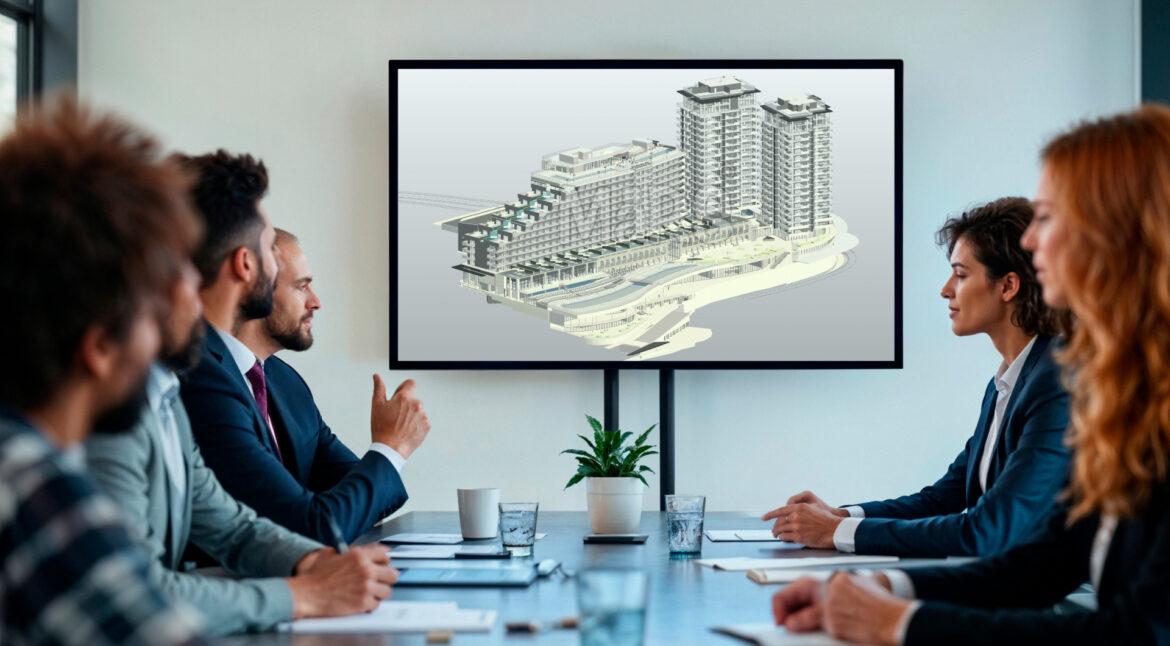
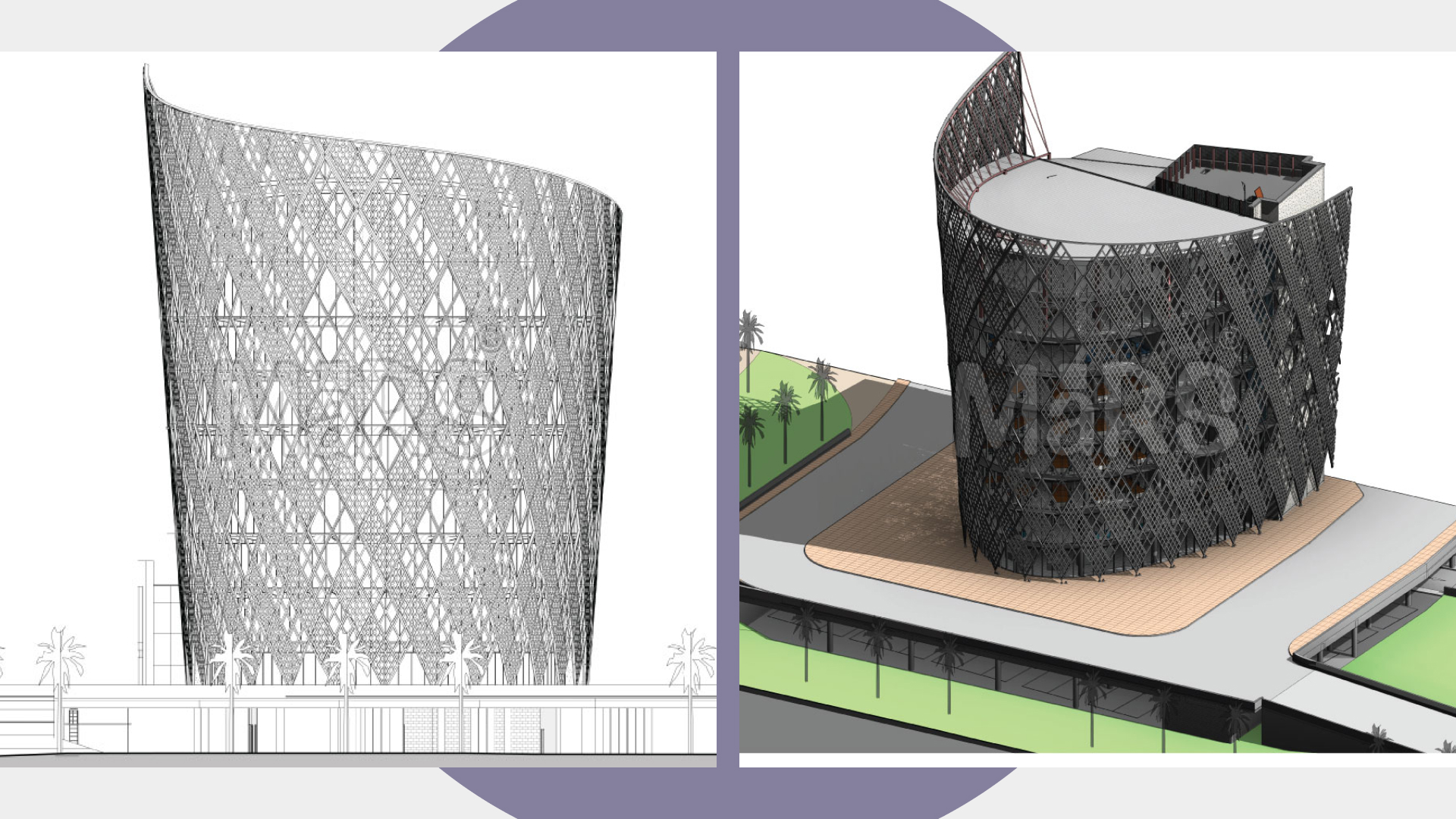
3D modeling addresses these gaps by enabling visual clarity where traditional 2D drawings fall short. Rather than relying on symbols and annotations, architects can present fully navigable digital environments that reflect materiality, lighting, spatial flow, and system integration. Clients and project teams gain a clearer understanding of design impacts, phasing, and feasibility. This shift reduces abstraction and fosters early alignment on design priorities, construction methodology, and long-term usability.
The growing complexity of AEC delivery models makes BIM modeling more than a design enhancement. it has become a central communication platform. It supports faster approvals, integrated coordination, and more confident stakeholder engagement across all project phases. Architecture 3D modeling solves long-standing communication problems in architecture and construction by turning technical data into shared visual insight that aligns teams and decisions from concept through closeout.
Understanding 3D Modeling in Architecture and Construction
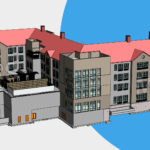
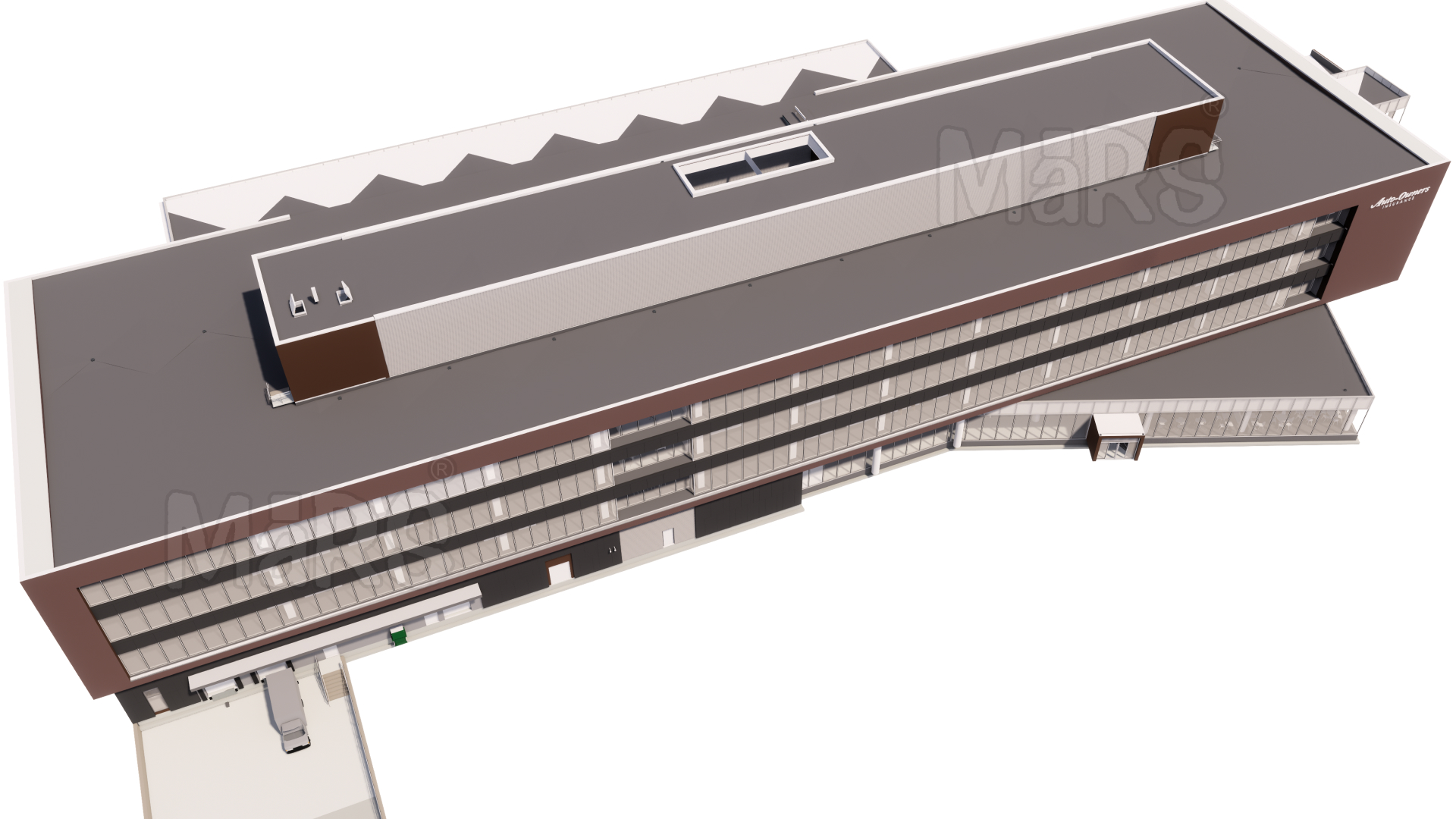
3D modeling in architecture and construction creates a detailed digital environment that supports informed decision-making across design and execution phases. Architects develop models that reflect actual building components, spatial relationships, and system layouts, allowing structural, MEP, and construction teams to evaluate conditions with precision. Tools like Revit, Navisworks, and BIM 360® enable multi-trade collaboration, making it easier to manage installation zones, ceiling congestion, and prefabrication logistics early in the process. These models evolve from conceptual masses into coordinated, data-driven assemblies that support everything from quantity take-offs to phasing analysis.
Instead of relying on abstract drawings, stakeholders can interact with models that display material finishes, lighting effects, equipment placement, and clearance zones. Walkthroughs and real-time section views help project teams assess constructability, service access, and lifecycle usability. This visual clarity helps streamline reviews, accelerate feedback, and ensure that architectural decisions align with functional, budgetary, and operational requirements across the project timeline.
Communication Challenges Without 3D Modeling
Design Details Misunderstood by Site Teams
Contractors often miss critical spatial relationships such as soffit depths, duct clearance, or equipment access zones. when relying solely on 2D sections or plan views.
Installation Conflicts Between Trades
Lack of coordinated visual references leads to overlaps between ductwork, cable trays, and structural beams, often discovered only after procurement or partial installation.
Client Decisions Delayed by Lack of Visuals
Owners struggle to approve layouts for lobbies, rooms, or finishes without seeing them in context, causing late-stage changes and rescheduling of downstream activities.
Incomplete Understanding of Prefab Assembly Constraints
Fabricators and site supervisors face ambiguity when trying to coordinate module positioning, lifting clearances, and joint alignments without a coordinated 3D reference.
Disrupted Workflow Due to Ambiguous Shop Drawing Interpretation
Field teams frequently submit RFIs due to unclear transitions, offsets, or spatial sequencing not evident in static documents.
Approval Bottlenecks During Municipality Reviews
Zoning and permit authorities often request additional clarification or mock-ups when visual materials lack spatial depth or site context.
Disjointed Communication Across Remote or Global Teams
Teams working across offices or time zones face delays and misalignment when relying on annotated PDFs instead of shared model-based collaboration platforms.
How 3D Modeling Bridges Communication Gaps and Solves Problems
Realistic Visualization and Shared Understanding
3D models help clients and field teams grasp complex spatial arrangements such as double-height lobbies, service shafts, or congested ceiling zones without needing to interpret line drawings. Visual clarity around volume, finishes, and daylight impact reduces back-and-forth during early reviews and speeds up interior approvals.
Clear and Consistent Design Intent
Instead of relying on annotated sections or verbal clarifications, design decisions—like façade articulation, parapet details, or soffit transitions. These are embedded directly in the model. This eliminates misinterpretation during detailing, handoff, or value engineering discussions.
Early Stakeholder Buy-In and Collaboration
Investors and owner groups can visualize return-generating spaces such as retail frontages, amenity decks, or leasable units early in the process. Interactive walkthroughs allow them to flag circulation bottlenecks or design risks, reducing the need for costly mid-phase design revisions.
Clash Detection and Integrated Coordination
By integrating architectural models with structural grids and MEP routes, teams can preempt issues like beam-duct conflicts or equipment access obstructions. Trade partners can visually validate layouts before issuing fabrication drawings, reducing RFIs and field changes.
Construction Sequencing and Methodology Visualization
4D-linked models demonstrate how tower crane lifts, slab pours, or prefabricated risers will be sequenced within tight urban sites. These visuals help site teams plan around spatial constraints and stakeholder phasing requirements without relying on Gantt charts alone.
Prefabrication and Modular Planning
Architectural models that incorporate real fabrication tolerances allow contractors to assess whether modular toilet pods, corridor MEP racks, or panelized façades will align correctly with building tolerances. This prevents rework caused by misaligned embeds or offsite-built elements.
Change Management and Impact Assessment
Client-driven layout shifts like resizing core rooms or relocating partitions. It can be assessed immediately within the live model to show downstream effects on duct runs, lighting grids, or exit travel distances. This allows teams to weigh trade-offs visually and respond within coordination timelines.
Facilities and Lifecycle Coordination
Service clearances for AHUs, switchgear, or vertical risers can be visually reviewed by FM teams during late design stages. This helps eliminate blind spots that often surface post-handover when space is insufficient for maintenance or future system upgrades.
On-Site and Virtual Coordination Meetings
Site meetings benefit from model-based coordination where supervisors, subcontractors, and architects review exact field conditions against the digital model. Issues such as slab edge conflicts or soffit drops are resolved visually, often avoiding the need for rework or formal RFIs.
Benefits Beyond Communication
- Speeds up authority approvals by visually demonstrating fire safety, egress, and accessibility.
- Reduces RFIs by showing exact field conditions and resolving scope gaps early.
- Enables faster client sign-offs with visual validation of layouts and finishes.
- Minimizes rework through spatially coordinated trade models and constructability checks.
- Optimizes prefab logistics with visual sequencing and clash-free installation zones.
- Keeps stakeholders aligned during phased occupancy, swing space, and decanting plans.
- Strengthens investor confidence through flythroughs of high-value program areas.
- Improves community engagement with realistic visuals during public consultations.
- QA/QC processes by comparing field installs directly against the 3D model.
- Supports site safety planning through model-based logistics and hazard zone mapping.
- Lifecycle planning with clear visualization of maintenance access and equipment zones.
Real-World Applications and Best Practices
On active construction sites, It is used to coordinate riser shafts between trades, validate slab openings before pour, and walk clients through space layouts for pre-lease approvals. VR-enabled walkthroughs have helped developers secure anchor tenants, while coordinated BIM models with embedded clash rules are driving faster MEP routing decisions. These use cases show that 3D modeling directly supports execution—not just design presentation.
Best Practices:
- Develop discipline-specific models in sync with trade sequencing like structure before MEP.
- Embed system tolerances and connection logic early to guide fabrication-ready modeling.
- Use model cut sections on-site to resolve ceiling conflicts and verify soffit depths with trades.
- Integrate temporary elements such as scaffolding, hoists, laydown zones in 3D to plan site logistics.
- Run clash detection with predefined spatial rules e.g. maintain 50mm clearance around ducts.
- Simulate crane paths or material hoisting zones in 4D to validate erection methodology.
- Overlay scanned as-built data to verify embedded conduits or anchor positions.
- Set up federated models for consultant access and issue resolution during daily coordination calls.
- Link modeled components with spec sheets or O&M data for smoother asset turnover.
- Establish sign-off checkpoints within the model to control scope progression and approval flow.
Conclusion
3D modeling has become a practical tool for translating architectural vision into coordinated, buildable strategies that resonate with every project stakeholder, from developers and consultants to field supervisors and asset managers. Whether it’s resolving duct-to-beam clashes before procurement or walking a retail client through storefront zoning before leasing, the model acts as the single source of truth. It drives faster decisions, minimizes RFIs, and supports informed trade coordination without losing sight of cost, access, or safety requirements. In high-stakes AEC projects with prefabrication, tight MEP spaces, and fast-track schedules, 3D BIM modeling ensures precise execution. It transforms design communication from concept to uncompromised delivery.