
The Procurement Challenge for Trade Contractors
Mechanical, electrical, plumbing, and other trade contractors in the U.S. construction market have long relied on experience and spreadsheets to manage material procurement. That approach worked when project complexity was manageable. Today, with tighter schedules, labor shortages, and supply chain volatility, it frequently falls short.
Material shortages cause roughly 30% of all construction delays on U.S. commercial projects, according to industry surveys. For specialty trade contractors, the impact is even more direct. A missing pipe spool, the wrong conduit size, or a late equipment delivery can idle a crew and trigger schedule claims. The core issue is that procurement decisions are often made from incomplete 2D drawings, leaving significant room for error.
BIM addresses this at the source. By working from a coordinated 3D model, trade contractors gain precise, real-time visibility into exactly what materials are needed, when, and where. This transforms procurement from reactive guesswork into a planned, data-driven process.
What BIM Actually Delivers for Material Management?
Accurate, Model-Based Quantity Takeoffs
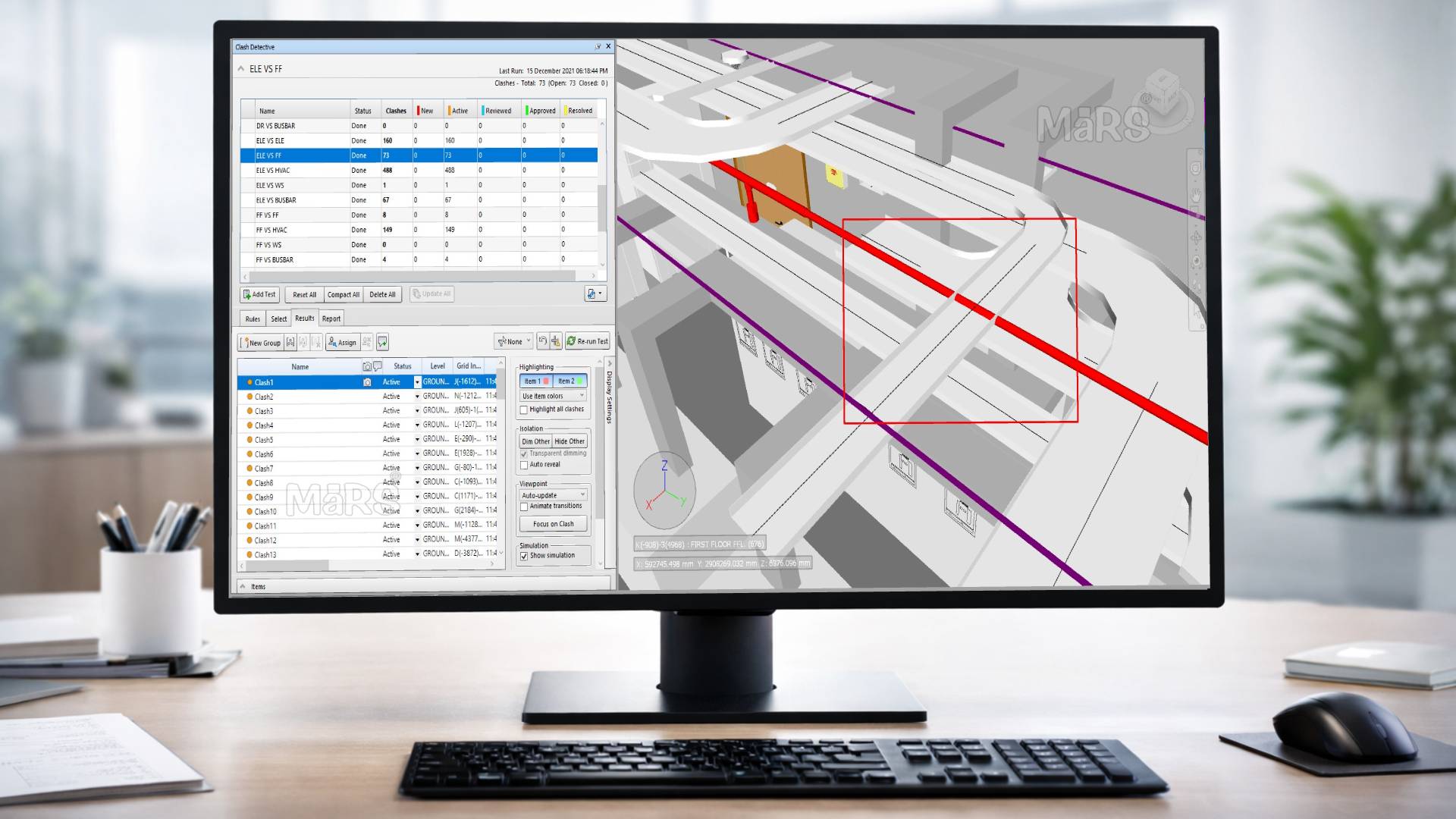
Traditional quantity takeoffs from 2D drawings are time-consuming and error-prone. Estimators manually measure lengths, count fittings, and interpret details that are often ambiguous. A coordinated BIM model eliminates much of that uncertainty. Every pipe run, conduit segment, duct section, and piece of equipment is modeled in three dimensions with associated data including size, material type, insulation specification, and more.
With BIM quantity takeoff services, trade contractors can extract material lists directly from the model with a level of accuracy that manual methods simply cannot match. This means procurement orders reflect actual field requirements rather than rough estimates padded with contingency buffers that either waste money or leave crews short.
For mechanical contractors specifically, this capability is critical. HVAC systems involve hundreds of fittings, lengths of duct, insulation materials, and equipment items. All of these must be ordered, tracked, and delivered in a sequence that aligns with the installation schedule. Mechanical modeling and coordination through BIM brings that complexity under control.
Phased Procurement Tied to the Construction Schedule
One of the most underappreciated benefits of BIM for trade contractors is its ability to connect the model directly to the project schedule, which the industry calls 4D BIM. Rather than ordering materials in bulk at the start of a project and managing the storage, loss, and cash flow implications, contractors can phase procurement to match actual installation sequences.
4D scheduling integrates model elements with construction timelines, allowing procurement teams to see exactly which materials are needed in which zones and in which weeks. This directly reduces on-site storage requirements, cuts the risk of material damage before installation, and allows contractors to respond more nimbly to schedule changes without triggering emergency orders at premium prices.
Clash-Free Designs Eliminate Late Material Changes
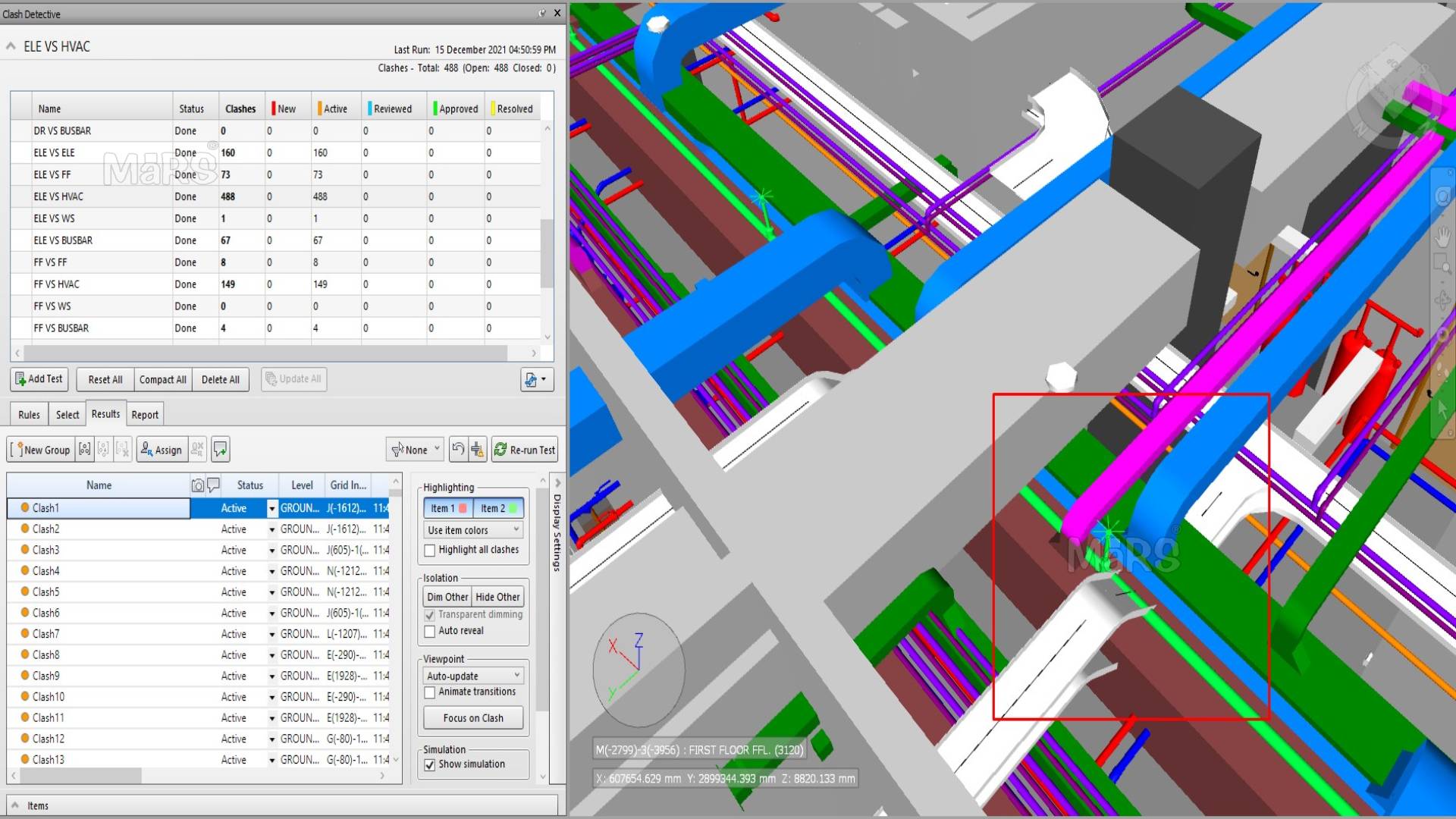
One of the costliest sources of procurement disruption is the field conflict. This includes a duct that cannot be installed because it clashes with a beam, a pipe that conflicts with a conduit run, or a piece of equipment that will not fit in the allocated space. These conflicts do not just create rework; they invalidate procurement orders. Materials are returned, replaced, or modified at significant expense.
Clash detection and coordination using BIM software like Autodesk Navisworks identifies these conflicts in the model before a single piece of material is ordered. For electrical contractors running conduit alongside mechanical systems in tight ceiling spaces, resolving conflicts in the model rather than in the field means the difference between an orderly procurement process and expensive material substitutions under pressure.
This is why MEP Coordination Services have become a standard expectation on commercial and industrial projects across the U.S. General contractors and owners alike demand coordinated models precisely because they protect everyone’s procurement and installation efficiency.
BIM and Prefabrication: A Procurement Multiplier
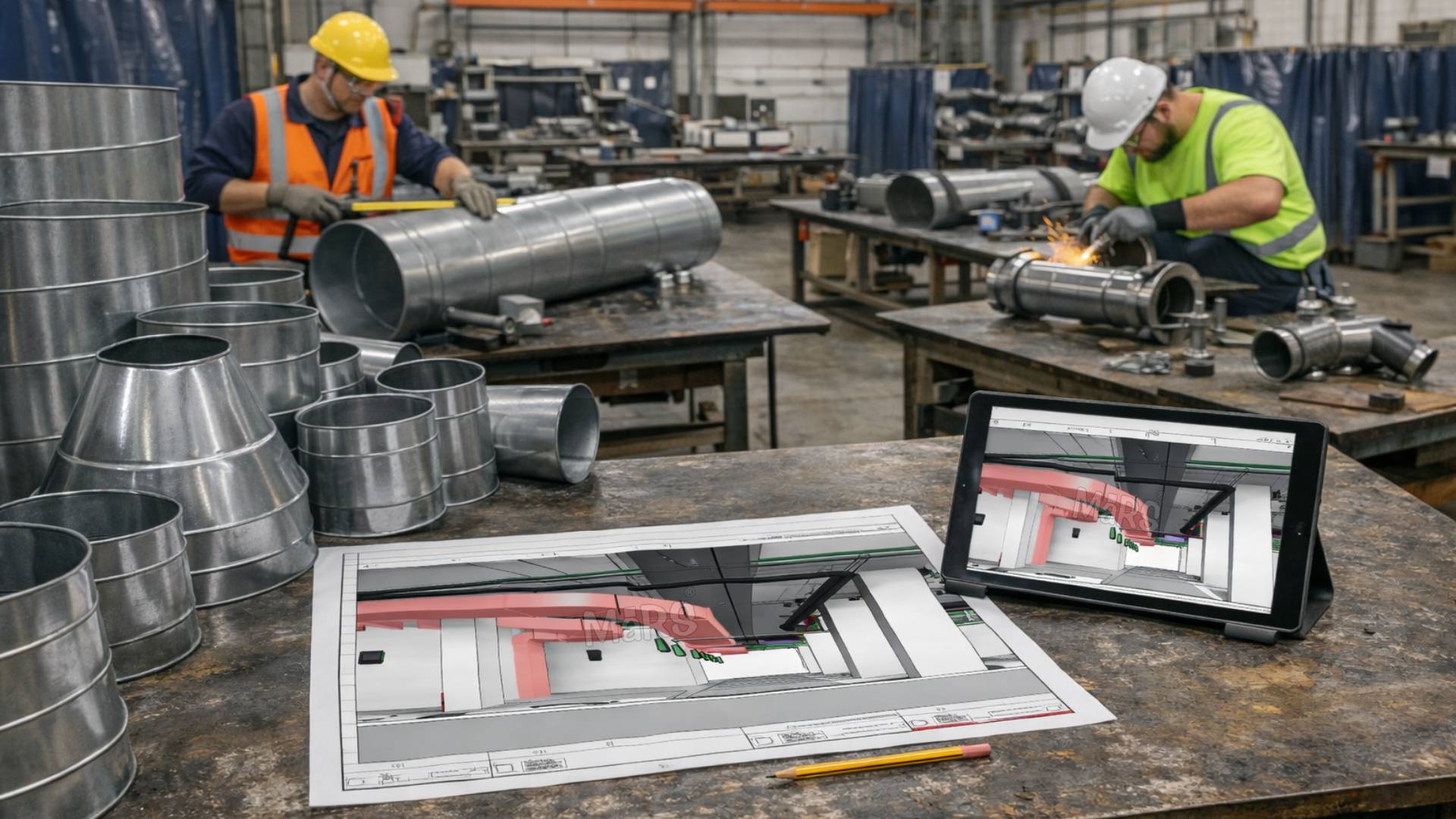
The integration of BIM with prefabrication is arguably the most significant development in trade contractor procurement over the past decade. When systems are designed for off-site fabrication from the outset, procurement can be industrialized. Materials are ordered in controlled batches, fabricated in a shop environment with minimal waste, and delivered to the job site as assemblies ready for installation.
Prefabricated MEP drawings derived from coordinated BIM models give fabrication shops the exact specifications they need to cut, weld, and assemble systems before they reach the field. This eliminates the field measurement step, reduces material waste, and compresses installation time. Each of these improvements reduces total project cost.
For mechanical contractors running large commercial or industrial HVAC projects, prefabricated spool assemblies reduce the number of on-site connections, limit the quantity of loose materials on the floor, and give the procurement team a clear, shop-order-based purchasing process rather than a running tally of field requisitions. HVAC duct shop drawings are the direct output of this process, and their accuracy depends entirely on the quality of the BIM coordination that precedes them.
Electrical Contractors: Managing Complex Material Lists with BIM
Electrical systems are among the most material-intensive scopes on any construction project. Conduit, wire, cable tray, panels, switchgear, light fixtures, devices, hangers, and supports all need to be procured, tracked, and delivered in a logical sequence. The sheer variety of SKUs involved makes manual procurement management highly susceptible to errors and omissions.
BIM Services for Electrical Contractors provide a structured way to manage this complexity. Electrical modeling and coordination produces a fully attributed 3D model from which material lists can be extracted by zone, floor, or system type. Procurement teams can filter the model to identify exactly what conduit runs are needed in a given phase, generate purchase orders tied to those lists, and track delivery against the installation schedule.
Additionally, electrical BIM models support value engineering during procurement. When a specified material is on long lead time or unavailable, the model makes it straightforward to evaluate substitutions without re-drawing. The contractor can assess the spatial and performance impact of a substitution directly in the model before committing to a purchase order change.
Delivery Coordination: Getting Materials to the Right Place at the Right Time

Procurement and delivery are two sides of the same coin. Even when materials are ordered correctly, poor delivery coordination can stall a project. BIM supports delivery logistics in several important ways.
Zoned Delivery Scheduling
A coordinated model can be divided into installation zones that map directly to the construction sequence. Procurement and logistics teams use these zones to schedule deliveries that match the crew’s weekly work plan rather than making large, uncoordinated drops that overwhelm the staging area and create material handling problems. On dense urban sites where laydown space is limited, this level of coordination is not a luxury. It is a necessity.
Material Tracking and Accountability
BIM models increasingly integrate with material tracking systems that use barcodes or RFID tags to monitor the location of prefabricated assemblies and major equipment items from the shop to the point of installation. When a spool or assembly is tied to a specific model element, project teams can verify delivery against the procurement plan and flag discrepancies before they become field problems.
This capability aligns directly with construction phase BIM support, where the model remains an active tool throughout the project rather than a deliverable that gets set aside once coordination is complete.
5D BIM: Connecting Procurement to Cost Control
Beyond scheduling, 5D BIM estimating links model elements directly to cost data, giving trade contractors a real-time view of how procurement decisions affect the project budget. When material prices change, when quantities need to be revised, or when scope changes are issued, the 5D model recalculates cost implications automatically. This gives project managers the information they need to make smart procurement decisions quickly rather than waiting for a manual budget update from the estimating team.
For subcontractors managing tight margins on competitive bids, that kind of real-time cost visibility can be the difference between a profitable project and an absorbed loss.
Implementing BIM for Procurement: Where to Start
Trade contractors who are new to BIM-driven procurement don’t need to overhaul their entire operation overnight. The most effective starting point is typically to engage BIM Services for Trade Contractors on a single project where procurement pain points are well understood. Use that project to establish model-based quantity takeoffs, generate phased material lists, and evaluate the impact on procurement accuracy and delivery performance.
From there, the process can be refined and scaled. Many trade contractors find that once their field crews and procurement teams experience the difference between working from a coordinated BIM model versus traditional 2D drawings, they don’t want to go back.
It is also worth noting that buildingSMART Alliance and industry organizations continue to push open BIM standards. The investment trade contractors make in model-based workflows today will integrate with increasingly sophisticated supply chain and project management platforms in the years ahead.
Conclusion
For trade contractors in the U.S. construction market, BIM is no longer just a coordination tool. It is a procurement tool, a cost control tool, and a delivery management tool. By working from accurate, clash-resolved 3D models, mechanical, electrical, plumbing, and other specialty contractors can eliminate the guesswork that drives material waste, emergency orders, and delivery delays.
The contractors who are winning bids and protecting margins in today’s market are the ones who have made BIM Coordination for Trade Contractors a standard part of how they plan and execute work. The technology is proven, the workflows are established, and the ROI on most projects is measurable within a single job.
The question is no longer whether BIM can improve procurement and delivery management. The question is how quickly your team is ready to make it happen.