BIM Services for
Electrical Contractors
Delivering reliable electrical systems with data-driven BIM.
Request Your Quote
Model-Based Electrical Design and Coordination
MaRS BIM Solutions helps electrical contractors and firms plan, coordinate, and install electrical systems with greater accuracy. Our BIM team builds detailed 3D models of power distribution, lighting, conduit routing, cable trays, fire alarm pathways, and low-voltage networks using Autodesk Revit, Navisworks, and BIM 360. Every model is coordinated with mechanical, plumbing, structural, and architectural trades to eliminate conflicts before construction begins. Whether you are working on a data center, a hospital, or a commercial high-rise, our Electrical BIM Services give your field crew clear, buildable information they can trust.
20 +
Years Experience
265 +
Qualified Employees
1800 +
Projects Completed
Why Electrical Contractors Are Moving to BIM?
2D drawings do not show how conduit routes interact with ductwork, piping, and structural beams in real space. This gap leads to clashes found only during installation, causing rework, wasted material, and missed deadlines. BIM removes this guesswork. With a coordinated 3D model, your team sees exactly where every component fits before a single piece of conduit is installed. You catch conflicts early, extract accurate material quantities, generate install-ready shop drawings, and plan prefabrication offsite. The outcome is less time spent fixing problems on the job site and more time spent building.

Electrical BIM Services We Provide
Our services are built around what electrical contractors actually need on a project. From modeling and coordination to fabrication support and field documentation, every deliverable is designed for practical, on-site use.
3D Electrical BIM Modeling
We build detailed Revit models of power distribution systems, lighting layouts, conduit runs, cable trays, fire alarm devices, security networks, low-voltage cabling, and communication infrastructure. Models are developed at LOD 300, 350, or 400 based on the project phase and coordination requirements.
Multi-Disciplinary BIM Coordination
We coordinate the electrical model with architectural, structural, mechanical, plumbing, and fire protection disciplines in a single federated environment. This ensures all building systems fit together without spatial conflicts and supports smooth collaboration between the design team, general contractor, and all subcontractors on the project.
Clash Detection and Resolution
Using Navisworks and Revit, we run comprehensive clash tests to identify hard and soft clashes between electrical systems and other trades. You receive categorized clash reports with marked-up viewpoints and recommended resolutions, ready for use in weekly coordination meetings.
Reflected Ceiling Plan (RCP) Coordination
We coordinate electrical elements within the ceiling space by aligning lighting fixtures, sprinkler heads, HVAC diffusers, access panels, and smoke detectors on the reflected ceiling plan. This ensures a clean, organized ceiling layout that meets design intent and avoids conflicts between trades sharing the same overhead zone.
Cable Tray and Conduit Routing Optimization
Our team plans and optimizes cable tray and conduit routes to minimize crossings with ductwork, piping, and structural elements. We evaluate bend radius requirements, fill ratios, support spans, and NEC clearance standards to develop efficient routing paths that reduce material usage and simplify field installation.
Electrical Room and Shaft Coordination
We model and coordinate electrical rooms, riser shafts, and vertical distribution pathways to ensure adequate space for switchgear, transformers, panelboards, bus duct risers, and conduit bundles. Our models verify equipment clearances, door swing paths, maintenance access zones, and NEC working space requirements around electrical panels and gear.
Clearance and Maintenance Access Validation
We validate that all electrical equipment in the model has proper working clearances, service access zones, and pull space for cable installation per NEC and project specifications. This check covers panel fronts, transformer rooms, switchgear lineups, junction box access, and overhead cable tray maintenance zones to prevent post-installation access issues.
Electrical Shop Drawings
We produce detailed electrical shop drawings extracted from the coordinated 3D model. These include conduit layouts, cable tray paths, panel locations, junction box placements, device mounting heights, and circuit connections. Any update to the model is automatically reflected across all drawing sheets.
Hanger and Support System Detailing
We detail hanger rods, trapeze supports, strut channels, clamps, and bracket assemblies for conduit runs and cable tray systems. Each support is placed in the model with proper spacing, load capacity, and attachment points. These details feed directly into fabrication drawings and material procurement lists for the electrical contractor.
Panel Schedules and Circuiting Diagrams
We generate and validate panel schedules, load balancing sheets, and circuiting diagrams from live BIM data. These documents help verify load distribution across circuits, identify imbalances early, and produce permit-ready electrical documentation.
Lighting Fixture Schedules and Datasheets
We extract lighting fixture schedules from the BIM model that include fixture types, quantities, wattages, lamp specifications, mounting heights, control zones, and manufacturer catalog numbers. These schedules support procurement, submittal preparation, and field verification during installation.
Low-Voltage and ELV Systems
We model low-voltage and extra-low-voltage systems including CCTV, access control, intercom, public address, nurse call, data cabling, and networking infrastructure. All ELV systems are coordinated with power and lighting layouts to prevent pathway conflicts and maintain proper separation distances.
Fire Alarm and Life Safety Modeling
We model fire alarm systems with precise device locations, circuit routing, mounting heights, and conduit requirements for pull stations, smoke detectors, heat detectors, horn strobes, and fire alarm control panels. Every device is coordinated with other trades to ensure clean installation paths and first-time inspection approval.
Conduit and Cable Tray Routing Drawings
Beyond standard shop drawings, we generate dedicated routing drawings that show conduit and cable tray paths in plan, section, and isometric views. These drawings include tray sizes, conduit diameters, support locations, elevation changes, transition fittings, and routing distances to help the field crew install systems exactly as coordinated in the model.
Prefabrication and Modular Electrical Layouts
We develop LOD 400 models that support offsite fabrication of conduit racks, panel assemblies, headwall units, and prewired modular electrical rooms. Deliverables include spool sheets, rack assembly drawings, hanger location details, and Bill of Materials for the fabrication shop.
Quantity Take-Offs from Drawings and BIM
We extract accurate material quantities from both coordinated BIM models and 2D construction drawings. Counts and measurements cover conduits, cable trays, junction boxes, fixtures, switches, receptacles, hangers, and all associated hardware in a structured format that supports procurement planning, bid preparation, and project cost control.
Scan to BIM for Existing Facilities
For renovation and retrofit projects, we convert laser-scanned point cloud data into accurate electrical BIM models of existing buildings. These models capture the as-built conditions of the electrical infrastructure and provide a reliable base for planning upgrades, expansions, or system replacements.
Revit Family Creation
We create custom parametric Revit families for electrical panels, switchgear, transformers, light fixtures, receptacles, and specialty devices. Each family is built to your company standards and project specifications for consistent use across all models.
Dynamo Automation for Electrical Tasks
We use Dynamo scripting to automate repetitive modeling work such as conduit layout generation, parameter scheduling, device placement, and tag creation. Automation reduces modeling time, eliminates manual errors, and improves overall model consistency.
As-Built Electrical Models
After construction is complete, we update the BIM model to reflect actual field-installed conditions. These LOD 500 as-built models serve as accurate digital records for building owners, facility management teams, and future renovation planning.
Construction Documentation and Permit Sets
We generate coordinated construction documents including floor plans, sections, elevations, single-line diagrams, and riser diagrams directly from the BIM model. These documents are formatted for city permit submissions, contractor submittals, and field installation use.
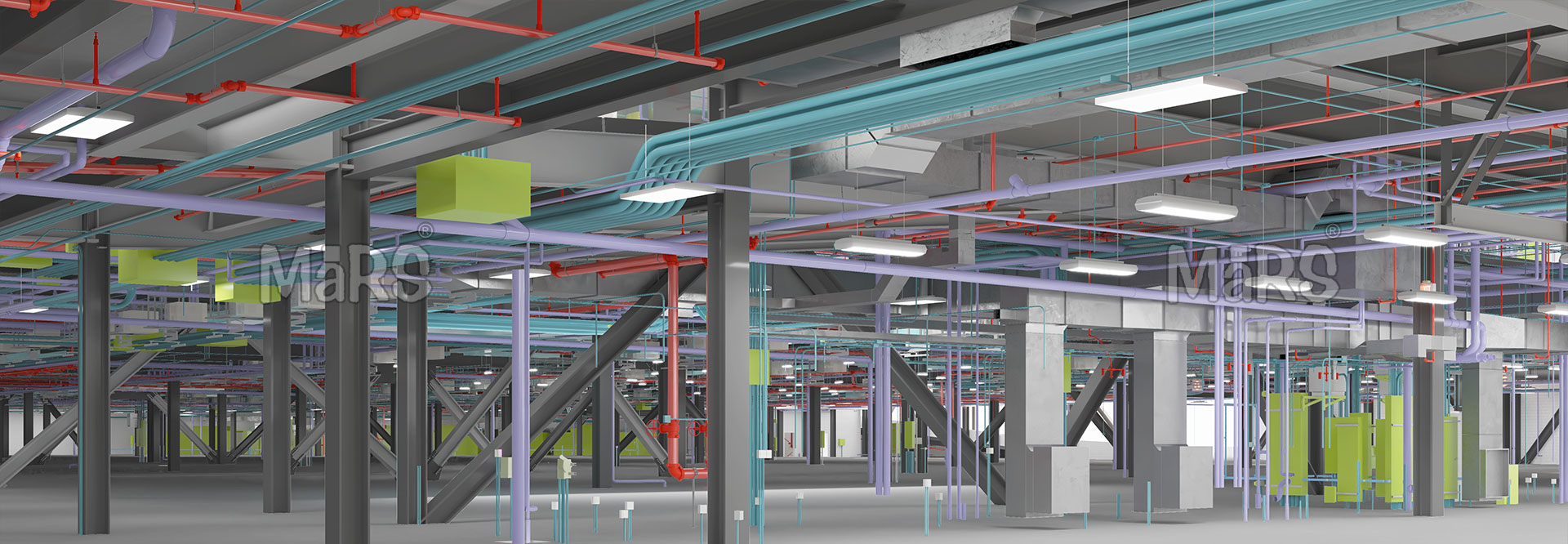
Our Process from Kickoff to Handover
1. Review and Setup
We study your construction documents, single-line diagrams, and feeder schedules. During the kickoff, we align on LOD requirements, modeling standards, and the BIM Execution Plan (BEP).
2. Redlines and Route Planning
3. 3D Modeling and Coordination
4. Deliverable Extraction
Once coordination is complete, we extract shop drawings, conduit schedules, panel schedules, quantity reports, and prefabrication documents from the finalized model.
5. Quality Assurance and Review
6. Field Support and As-Built Delivery
Electrical BIM Across Building Types
We model mission-critical electrical infrastructure for data center projects including redundant power distribution, uninterruptible power supply (UPS) systems, generator integration, automatic transfer switches (ATS), power distribution units (PDUs), busway systems, and segregated cable tray layouts for power and data cables. Our BIM models support hot aisle and cold aisle configurations, ensure proper clearances around high-density electrical equipment, and maintain NEC-compliant separation between high-voltage and low-voltage pathways. Data center electrical BIM requires extreme precision, and our LOD 400 models deliver fabrication-ready detail for these facilities.
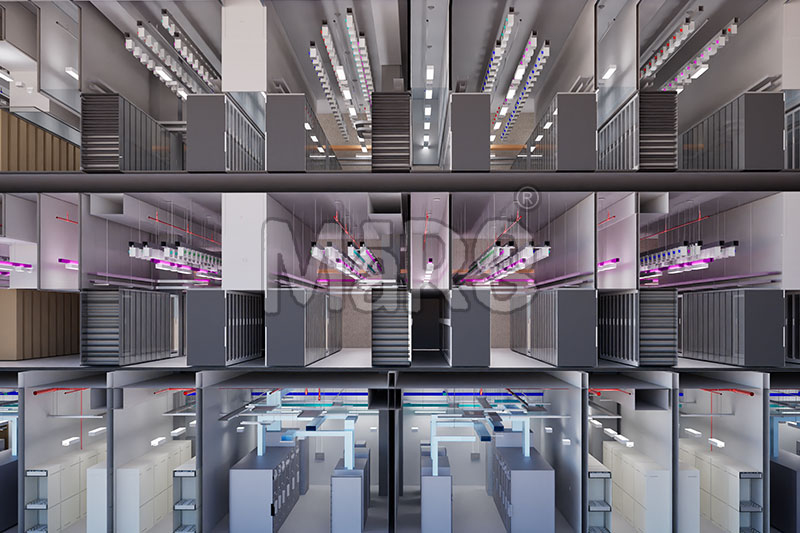
Hospital and medical center projects require specialized electrical BIM modeling for essential power circuits, emergency generator backup, life safety systems, isolated power panels, nurse call systems, medical gas alarm interfaces, and equipment branch circuits. We coordinate electrical layouts with sensitive medical equipment such as MRI rooms, operating theaters, and ICU units where electromagnetic interference and power quality are critical. Our models comply with NFPA 99, NFPA 110, and healthcare-specific NEC requirements. We help electrical contractors working on hospitals deliver installations that meet Joint Commission and state health department inspection standards.

Hospital and medical center projects require specialized electrical BIM modeling for essential power circuits, emergency generator backup, life safety systems, isolated power panels, nurse call systems, medical gas alarm interfaces, and equipment branch circuits. We coordinate electrical layouts with sensitive medical equipment such as MRI rooms, operating theaters, and ICU units where electromagnetic interference and power quality are critical. Our models comply with NFPA 99, NFPA 110, and healthcare-specific NEC requirements. We help electrical contractors working on hospitals deliver installations that meet Joint Commission and state health department inspection standards.
Codes and Standards We Follow
Tools and Technology
Our BIM Success Stories for Electrical Contractors
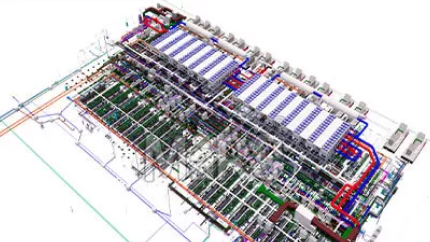

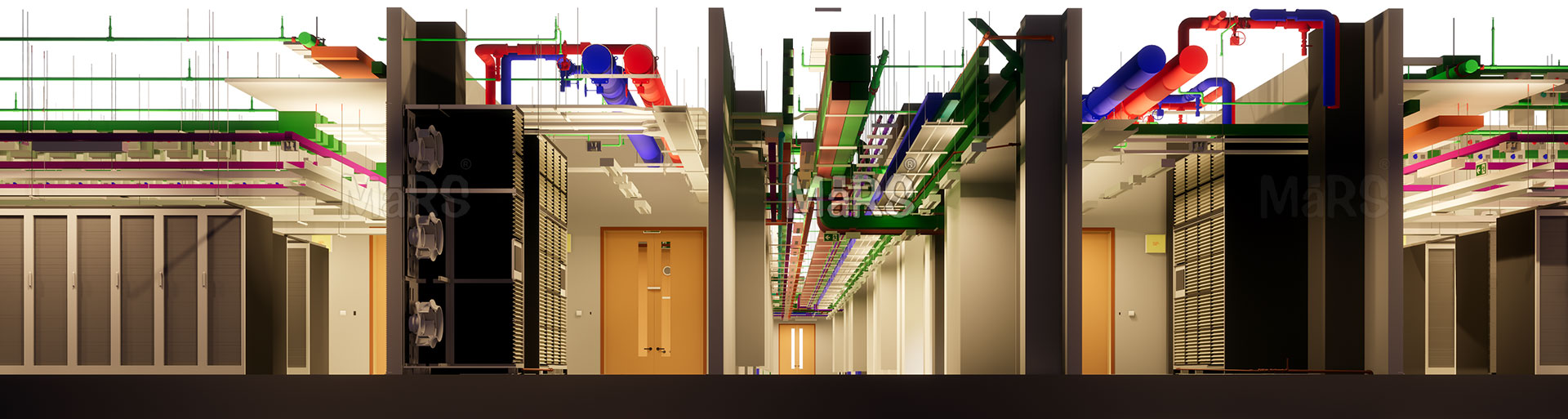
MaRS BIM Solutions provided comprehensive electrical BIM services for a high-performance data center facility in Dallas, covering an area of 30,000 sq. m. Our scope included 3D modeling of complex electrical systems such as UPS backup, redundant power distribution, generator integration, and fire alarm layouts at LOD 400. The model was developed in coordination with mechanical and structural trades to avoid critical clashes and ensure a clean, conflict-free design. Our support also included shop drawings, cable tray routing, and detailed panel schedules to assist the electrical contractor in achieving accurate and on-time installation.
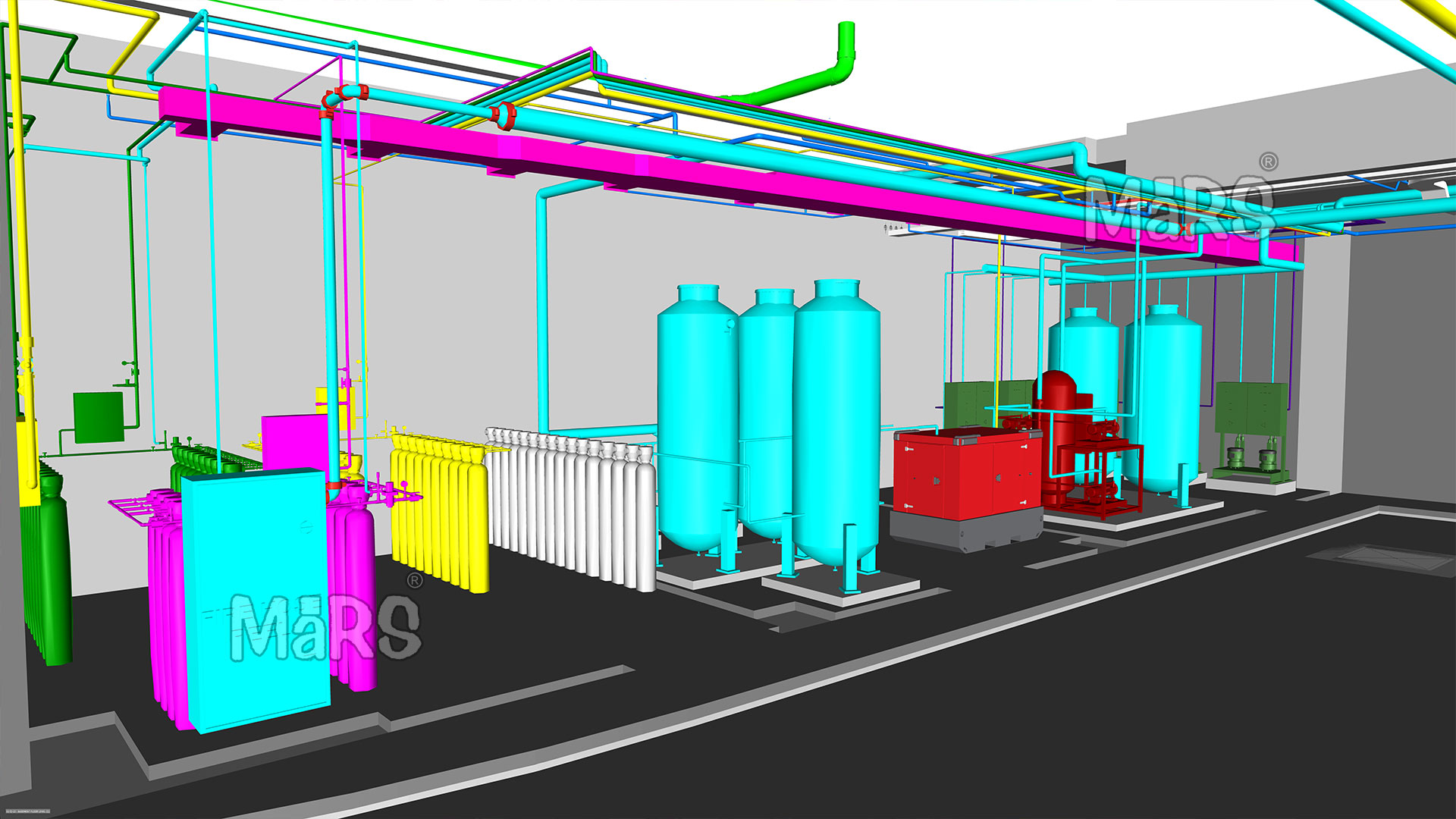
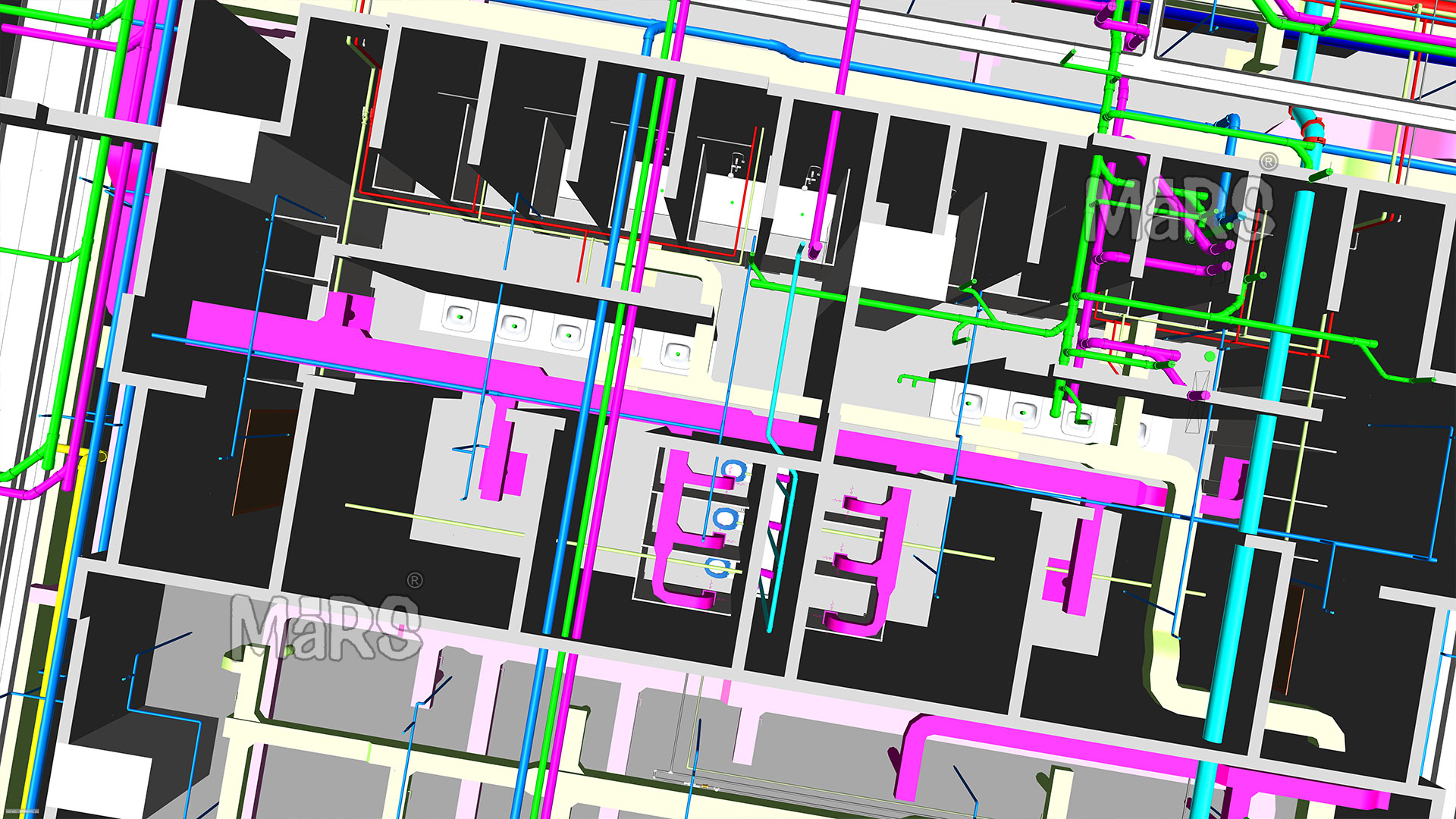
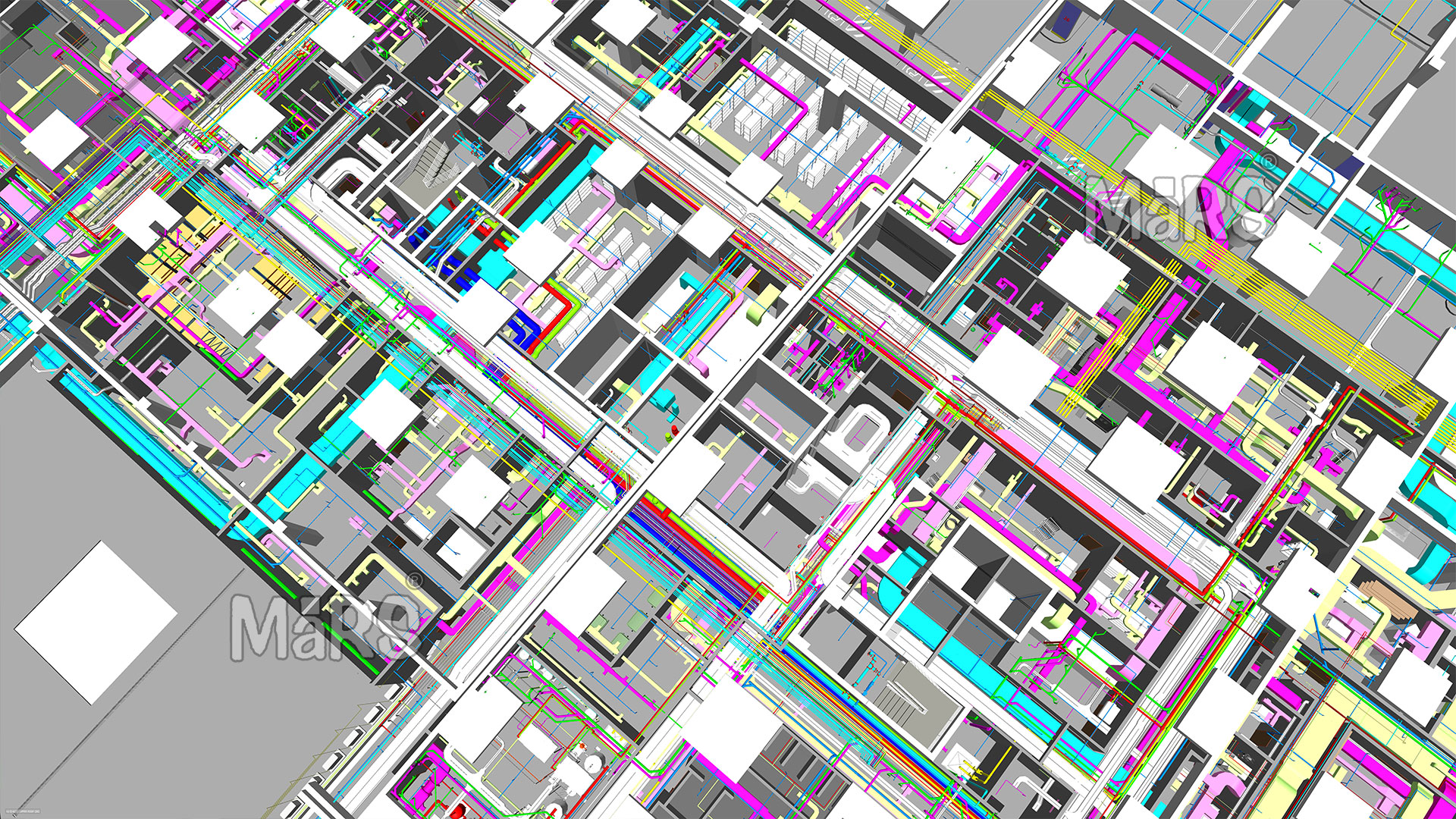
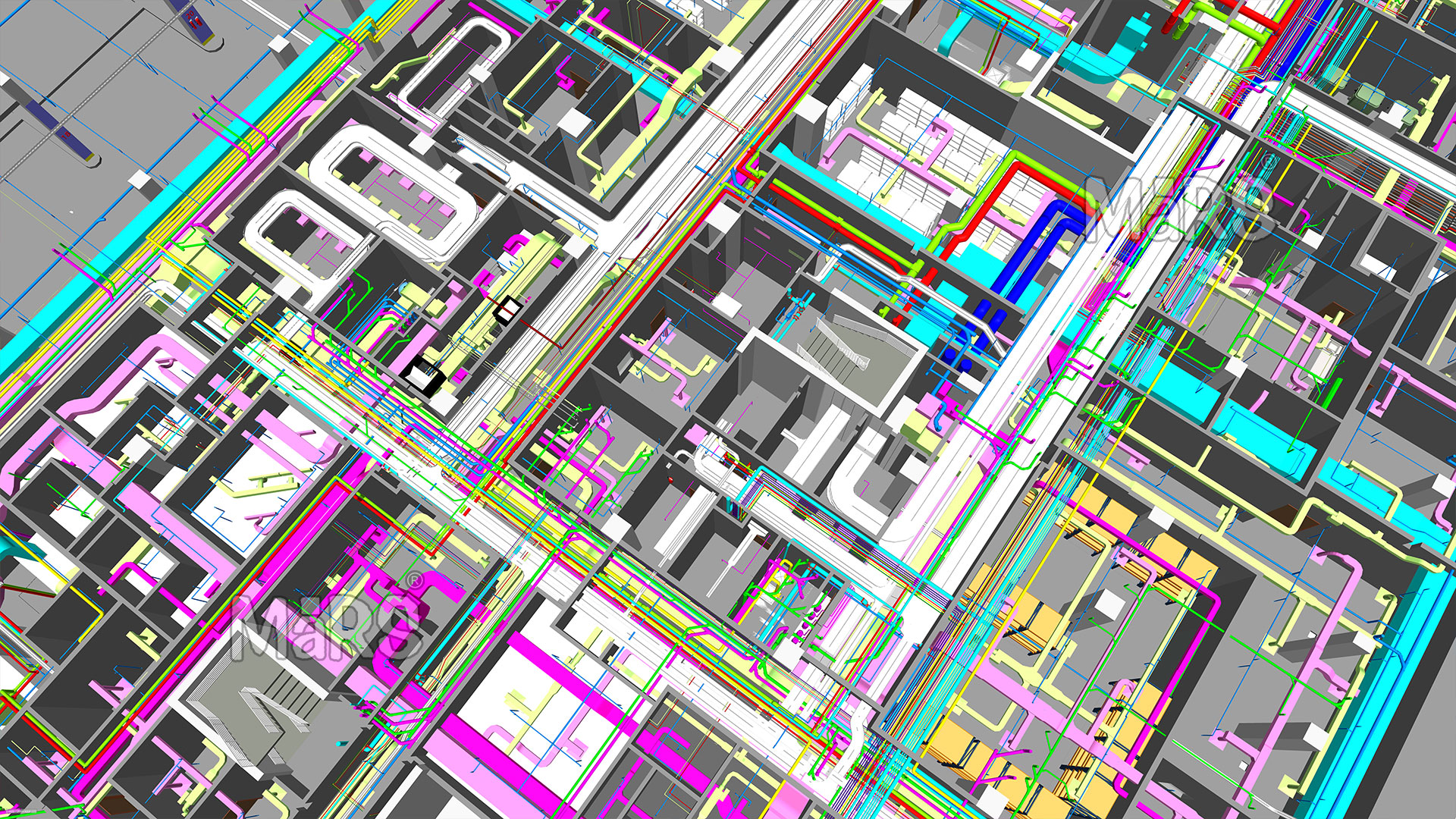
For the 31,600 sq. m. Madinaty Medical Centre, MaRS BIM Solutions delivered high-detail electrical BIM modeling at LOD 400, supporting critical healthcare infrastructure with precise coordination. The electrical scope included lighting, emergency systems, nurse call systems, and low-voltage layouts. Working closely with the client and other MEP consultants, we ensured spatial optimization and compliance with healthcare facility standards. Our team provided clash detection, coordinated layouts, and documentation for construction and procurement, enabling smooth project delivery under strict timelines.
Why Electrical Contractors Work With MaRS?
Electrical-Focused BIM Team
Our professionals specialize in electrical system design, conduit routing, load analysis, and circuiting. They understand the practical challenges your crews face in the field.
Install-Ready Deliverables
Every model and drawing is built for the field crew. We focus on reducing guesswork and preventing rework so your team can install with confidence.
Proven Global Experience
We have delivered electrical BIM for data centers, hospitals, commercial towers, and campuses across the United States, the Middle East, and Africa.
Clear Communication
You get a single point of contact, regular progress updates, and smooth coordination with your on-site teams, general contractors, and other trades through BIM 360 and cloud-based workflows.
Get a Free Electrical BIM Consultation
Electrical BIM Support Across Key U.S. States
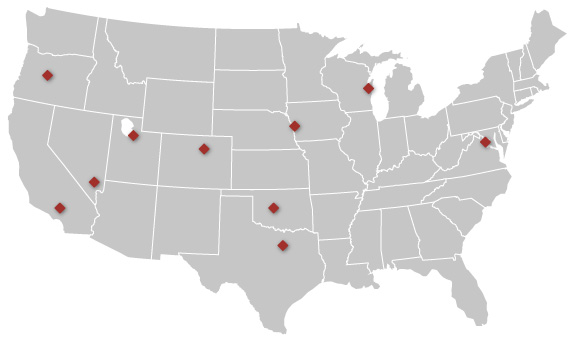
MaRS supports electrical contractors in major U.S. construction markets including Texas, California, Florida, New York, Illinois, Georgia, North Carolina and many more. Our models meet NEC, NFPA, and state-specific standards including California Title 24. From hurricane-resistant electrical infrastructure in Florida to phased high-rise installations in New York, we deliver accurate, code-compliant models tailored to regional construction practices.
Delivered
Models
4.2M+ sq. ft.
Modeled
Client Testimonials
"MaRS BIM Solutions has been a key partner on our recent data center project. Their electrical BIM team delivered highly accurate models and coordinated perfectly with our field team. They helped us detect major clashes early and saved us weeks of rework."
James W.
Houston, TX
"We’ve worked with several BIM firms, but MaRS stands out for their deep understanding of electrical systems and NEC compliance. Their turnaround time and attention to detail on our hospital project exceeded expectations."
Lindsey C.
Los Angeles, CA
"The MaRS team provided complete BIM support for our amphitheater electrical systems—from modeling to shop drawings. Their clash detection and quick updates kept our timeline on track. Highly recommend them."
Robert H.
Atlanta, GA
"MaRS delivered top-notch electrical BIM coordination for our mixed-use high-rise in downtown Chicago. Their proactive approach and clear communication made collaboration smooth across all trades."
Stephanie M.
Chicago, IL
Common Questions About Electrical BIM
RVT, NWD, NWC, DWG, IFC, and PDF. We can also export to other formats based on your software requirements.
Pricing depends on the project size, scope of electrical systems, LOD requirements, and the number of coordination rounds needed. We offer competitive rates with flexible engagement models. Contact us with your project details and we will provide a custom quote within 24 to 48 hours.
Yes. We offer dedicated BIM resource hiring where you get a full-time electrical BIM modeler or a team working exclusively on your projects. This model works well for firms that need consistent BIM capacity without the overhead of hiring in-house staff.
For most projects, we can begin within 3 to 5 business days after receiving your construction documents and completing the kickoff. For urgent timelines, we can mobilize a team faster based on availability.
Yes. We have a team of 265+ qualified BIM professionals and the capacity to assign additional modelers and coordinators to your project as needed. We regularly scale teams for clients managing multiple projects or working under tight deadlines.
Turnaround depends on project complexity. A small commercial project may take 2 to 4 weeks for modeling and coordination. Larger projects like hospitals or data centers typically require 8 to 16 weeks. We provide a detailed schedule during the kickoff and stick to agreed milestones.
To begin, we need your construction documents (architectural, structural, and MEP drawings), single-line diagrams, feeder schedules, project specifications, and any existing BIM models from other trades. If you have a BIM Execution Plan or project-specific standards, those are helpful as well.
Revisions are a normal part of every construction project. We update the BIM model based on your change requests, RFIs, or revised design documents. All changes are tracked, and updated deliverables are issued with clear version control so your team always works from the latest information.
Outsourcing to MaRS gives you access to a specialized team with deep electrical BIM experience without the cost of hiring, training, and retaining full-time staff. You get faster turnaround, scalable capacity for peak workloads, and consistent quality across all your projects. Many of our clients use us as an extension of their in-house VDC team.