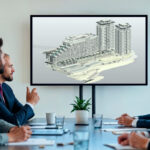
Design Development plays a decisive role in shaping how architectural intent transitions into buildable solutions. This phase begins once initial concepts are approved and focuses on converting spatial ideas into coordinated technical systems. Every decision, from wall assemblies to structural integration, takes into account the practical demands of construction, material behavior, and engineering standards. The outcome is a design that supports clarity, compliance, and constructability across disciplines.
Architects and consultants engage deeply during this stage to refine design logic while addressing code mandates, performance criteria, and system tolerances. Material choices, building envelope strategies, and mechanical layouts are reviewed not just for appearance or efficiency, but for their ability to function cohesively on-site. Architectural Design Development ensures that technical inputs from structural, HVAC, plumbing, and electrical consultants are embedded into the architectural layout at the right level of detail.
Project momentum accelerates when this phase is handled with precision. Clients gain clearer visibility into the project scope, contractors begin early planning, and consultants align their outputs. It drives important coordination that supports accurate budgeting, reduces ambiguity, and improves decision-making. Rather than simply connecting schematic and construction documentation phases, it anchors the entire architectural workflow with technical discipline and project-wide alignment.
Understanding the Design Phases From Concept to Construction
Architectural delivery in the AEC industry is structured to manage design complexity, regulatory requirements, and construction coordination. Each phase addresses specific project needs, from spatial planning to system detailing, ensuring a smooth transition from concept to jobsite execution. Design progression is a creative flow, a framework to align consultants, validate construction logic, and guide procurement readiness.
- Schematic Design: Establishes project intent through zoning diagrams, program massing, circulation flows, and spatial adjacencies. Often includes early site planning, structural grids, and rough MEP zoning to shape design boundaries.
- Design Development: Converts early concepts into coordinated models and drawing sets, integrating structural framing, MEP system layouts, preliminary product selections, and spatial clearances required for construction feasibility.
- Construction Documentation: Finalizes deliverables like annotated plans, sections, elevations, schedules, and specifications. These support permitting, bidding, and subcontractor execution with a focus on compliance, precision, and liability coverage.
This phased approach provides a predictable structure to absorb technical inputs, resolve spatial and system conflicts, and prepare every discipline for their role in construction, making each phase essential to the project’s built success.

Design Development Translating Vision Into Buildable Reality
Design Development advances the architectural framework into a coordinated set of systems aligned with how buildings are assembled in the field. Structural grids are coordinated with architectural modules, slab edge conditions are detailed for consistency, and ceiling voids are dimensioned to support ductwork, piping, and cable trays. Decisions around façade articulation, glazing joints, and roof interfaces are resolved with input from engineering teams and fabricators. This phase sets the stage for construction logistics by embedding technical clarity into every plan, section, and elevation. Details developed here support accurate scheduling, scope alignment, and early procurement.
During this stage, models and drawings reflect the spatial logic and build strategy needed by contractors and consultants. Wall assemblies are detailed with chase depths and access zones, equipment rooms are scaled to accommodate working clearances, and service shafts are dimensioned for multi-trade installations. System layouts are optimized for material efficiency and coordinated installation. It equips field teams with the precise information needed to mobilize, while giving project managers the coordination framework to plan sequencing, lead times, and trade handoffs with confidence.
Aligning Architecture with Construction Logistics
Design Development supports the construction process by embedding logistical thinking directly into the design. Architectural layouts are sequenced in alignment with structural pour breaks, tower crane positioning, and site access routes. Stair and shaft cores are detailed to accommodate formwork systems and vertical material movement. Prefabricated elements such as MEP racks, precast panels, or utility corridors. These are dimensioned to suit transport constraints and rigging zones. Each drawing produced during this phase provides contractors with the spatial logic needed to plan staging, trade handoffs, and material flow. Product selections consider manufacturing timelines, mock-up requirements, and field installation strategies. By integrating contractor feedback during DD, the design supports uninterrupted field progress and reinforces coordination between planning and physical execution.
Risk Mitigation and Cost Control Through Design Development
DD enhances project stability by creating a coordinated foundation that supports informed decision-making and cost predictability. As disciplines align their systems within the architectural framework, potential coordination issues are addressed at the model level allowing teams to resolve spatial interfaces, material transitions, and access requirements early. Material specifications made during this phase help procurement teams secure long-lead items in alignment with construction schedules. Estimators benefit from accurate quantities and defined scopes, improving budget tracking and vendor engagement. With clear design intent and early consultant input, the project gains momentum, reducing exposure to delays and strengthening communication between design, engineering, and construction teams.
Key Deliverables and Outcomes of the DD Phase
- Coordinated architectural drawings with system zones and material alignment
- Structural framing layouts with pour breaks, embeds, and connection logic
- MEP routing plans with confirmed service zones and equipment positioning
- Façade section details with anchoring systems and waterproofing layers
- Compliance diagrams covering egress, fire ratings, and accessibility zones
- Sustainability checklists with envelope performance and material credits
- Material schedules with lead times and approved finish specifications
- Cost estimates tied to quantifiable scope and early vendor data
- Combined trade models with clash review and consultant coordination
- Updated milestone timelines reflecting DD-to-CD progression
Stakeholder Collaboration and Communication in DD
Design Development strengthens project outcomes through structured collaboration among architects, engineers, consultants, contractors, and specialists. Each stakeholder contributes technical input that shapes system coordination and construction feasibility. BIM platforms and collaboration tools such as Autodesk Construction Cloud, and Navisworks, enable model sharing, markup tracking, and clash resolution across disciplines. Coordination meetings during this phase allow teams to align floor penetrations, service zones, and structural interfaces while refining scopes and responsibilities. This collaborative process ensures that decisions are technically sound, schedules are realistic, and trade partners can begin planning with accurate information.
The Role of Technology and BIM in Design Development
DD benefits from precise modeling environments where architecture, structure, and MEP systems are detailed for real construction coordination. BIM at LOD 300/350 enables teams to define exact riser shaft dimensions, hanger clearances, pipe sleeves, and mounting brackets across disciplines. Trade contractors use these models to plan prefabrication, determine crane pick zones, and coordinate ceiling congestion well before site mobilization. Platform-based workflows allow real-time clash checks and version tracking, ensuring all parties are working with the latest coordinated information.
Simulation tools further strengthen planning accuracy. 4D sequencing links model elements to actual construction activities, giving project teams the ability to validate installation logic day by day. 5D tools connect quantities with evolving designs to support cost validation tied directly to model updates. Computational modeling such as airflow simulations or thermal zoning guides equipment sizing and duct routing early in the DD phase. These tools do more than visualize they create a data environment where trades, designers, and builders work in sync from model to jobsite.

Managing Schedule and Expectations During Design Development
It requires structured timelines and proactive coordination to maintain project momentum and align all contributors. Project managers establish milestone reviews, drawing package deadlines, and consultant submission schedules to ensure steady progress. For small to large-scale projects, DD may span 6 to 12 weeks depending on complexity, with phased deliverables supporting early contractor input and regulatory coordination. Tools like Primavera or MS Project are used to track dependencies between trades, while weekly collaboration sessions help resolve open items in real time. Aligning client expectations through regular presentations and design sign-offs ensures that approvals support the technical development pace, setting the stage for a smooth transition into construction documentation.
Conclusion
Design Development brings measurable value to construction-driven workflows by establishing accurate system layouts, buildable sequencing strategies, and procurement-ready specifications. This phase sets the technical groundwork for slab edge detailing, riser shaft planning, and early trade coordination that directly influences fabrication, logistics, and field installation. Construction teams benefit from model-based documentation that reflects how the building will be assembled, while project leads gain confidence in milestone tracking and cost control. By combining design precision with contractor input, It becomes the phase where buildings shift from visual concept to construction-ready strategy anchoring project success at every level.